
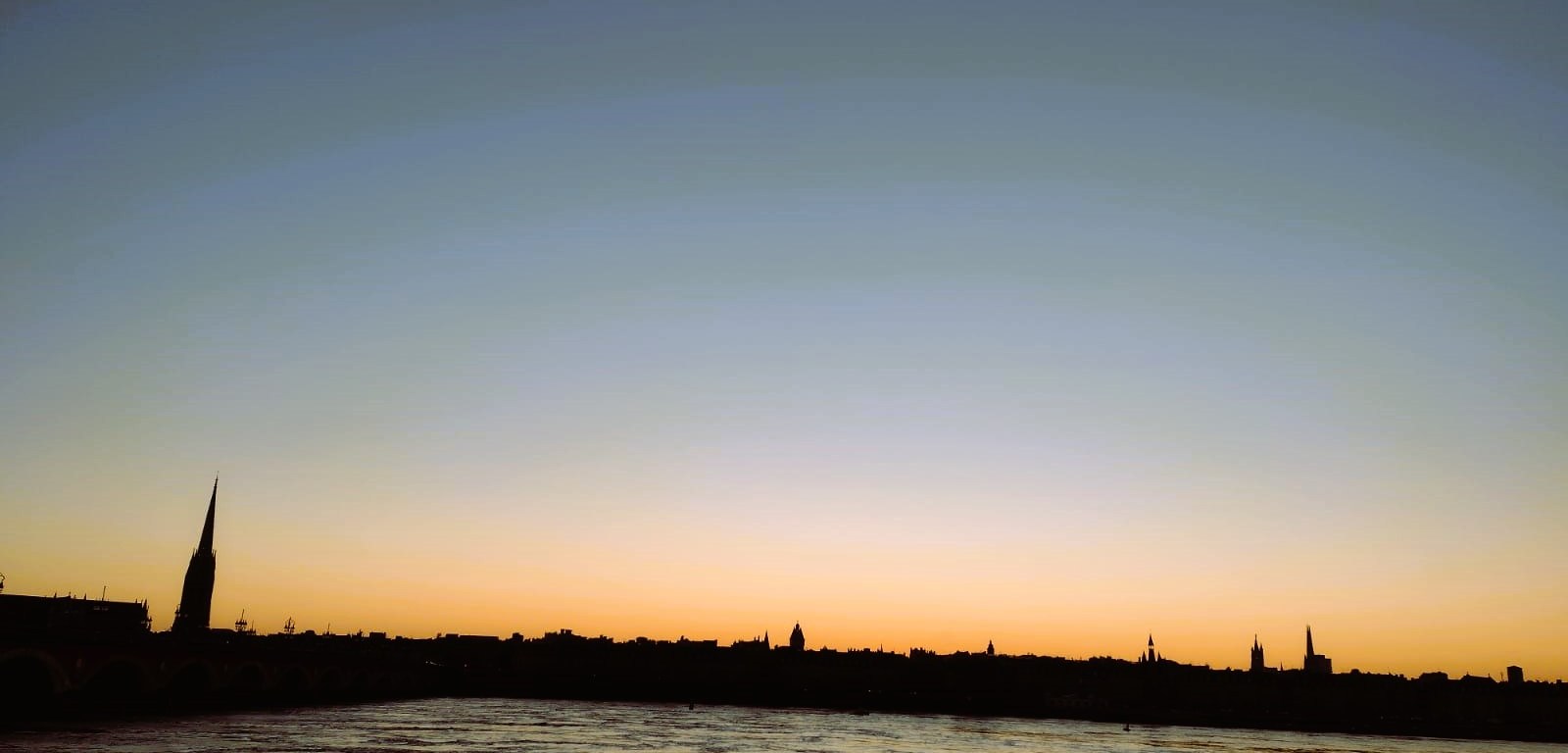
Moving abroad is like turning the pages of a thrilling adventure novel. It’s a journey that opens your horizons and transforms your very essence. Leaving behind the familiar faces of family and friends, getting out of the comfort zone, and embracing the unknown is an experience that leaves an indelible mark on your soul. No matter how close the new country might seem to your own, you can be certain of one thing – a cultural shock awaits, particularly in those initial stages.
Now, let’s set the stage by delving into my personal journey, exploring the intercultural reflections of living as a foreigner in two captivating European countries: France and Portugal.
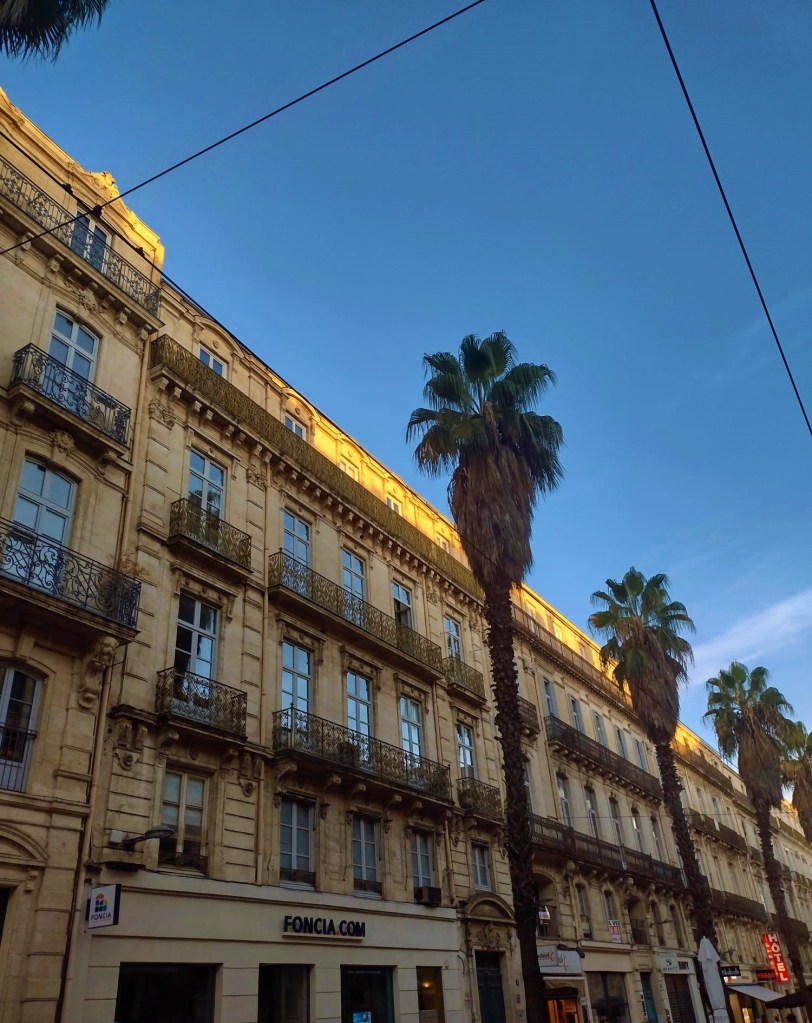
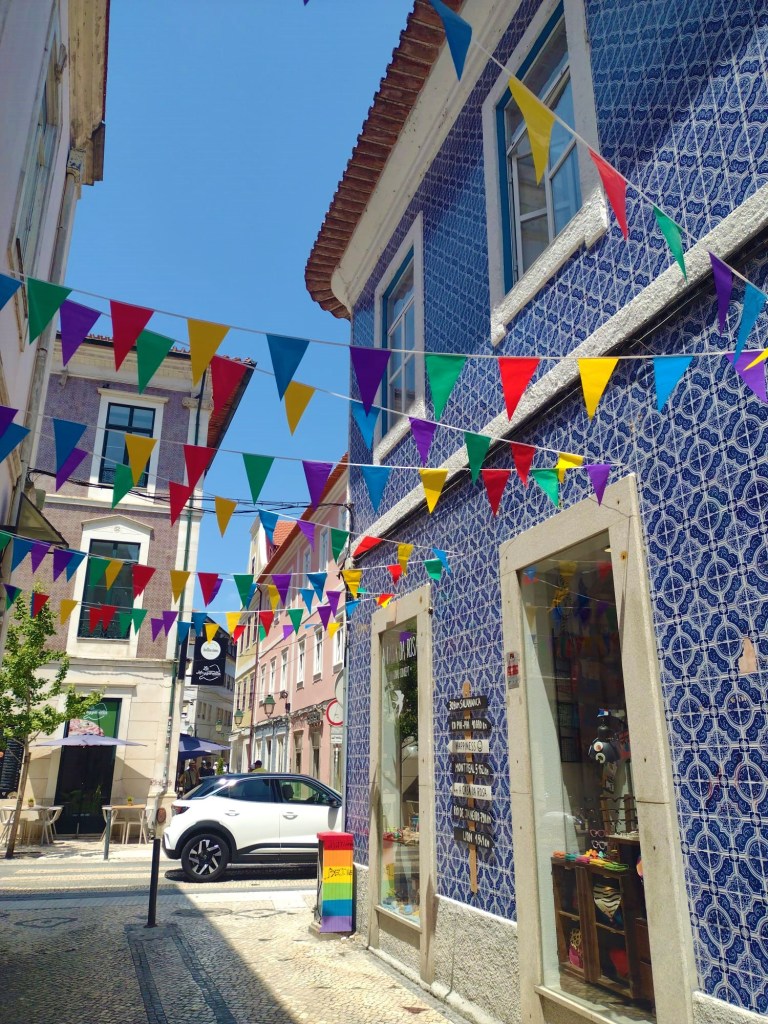
As an Eastern European, I embarked on a journey to Western Europe, where I anticipated the culture and mentality to be different. However, the enormity of the cultural contrast was something I had to experience to truly understand. I had always considered myself adaptable, someone not necessarily identifying with my home country’s mentality. Nonetheless, my stay in France and Portugal brought forth moments of both seamless integration and inevitable struggle.
My experiences in these countries were as diverse as the reasons that led me there – studying, volunteering, and working. These pursuits allowed me to explore every nook and cranny of different cultures and engage with the vibrant diversity of people who call these places home.
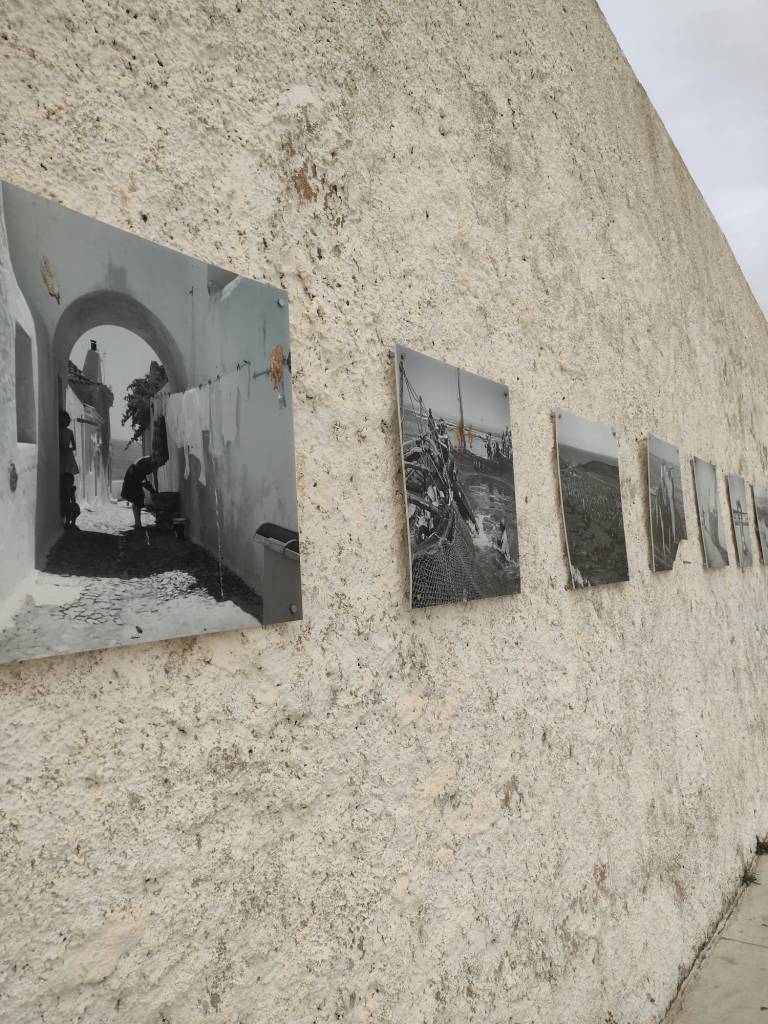
It’s important to approach discussions about interculturality with care, as making broad generalizations and passing judgment is always a risk. In this narrative, I make a conscious effort to avoid such pitfalls because it’s unfair and inaccurate to characterize an entire culture with a single brushstroke. My feelings and observations are deeply personal and may not be applicable to everyone.
Exploring the cultural contrasts
We will delve into four intercultural aspects to compare living in these countries: the language barrier and openness to English as a lingua franca, cultural curiosity towards foreign cultures, administrative processes for foreigners, and punctuality.
France
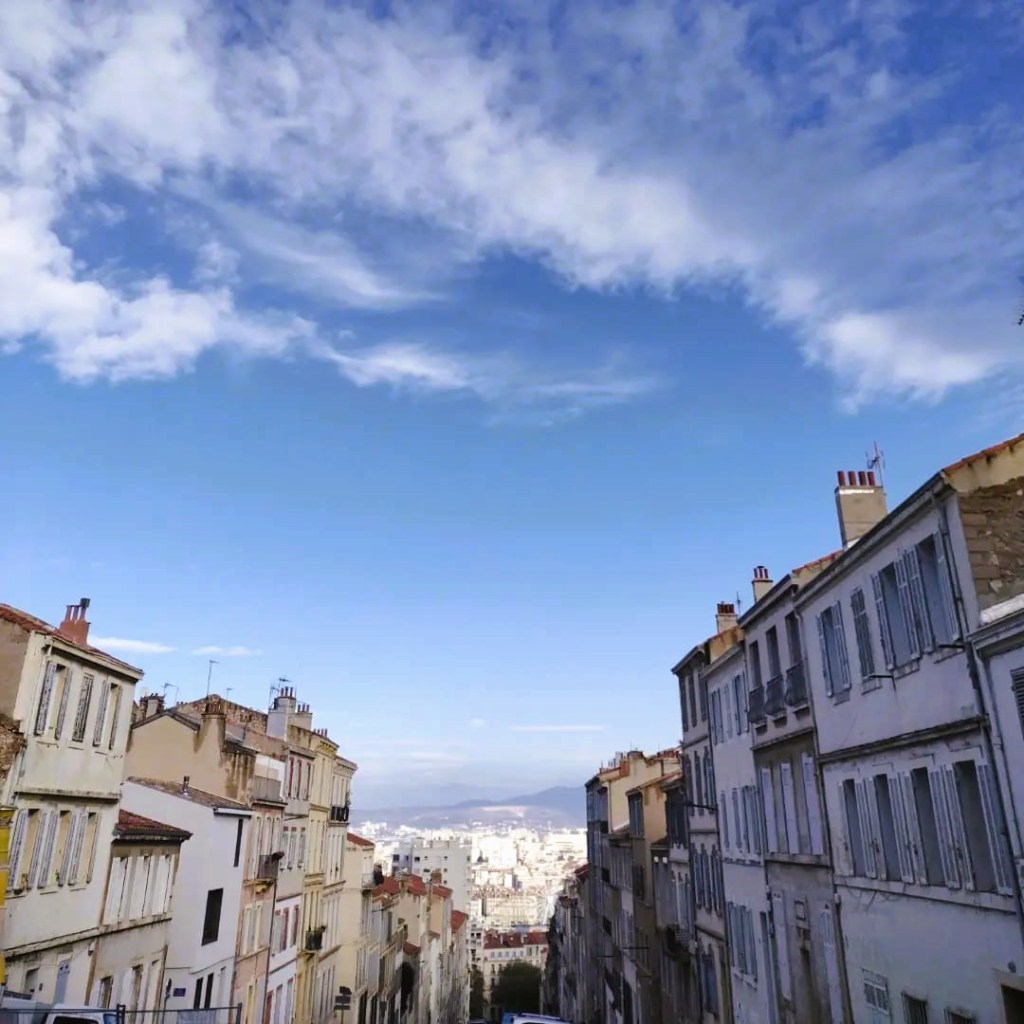
Language barrier: In France, fluency in French is almost non-negotiable. The expectation is not just to speak it but to speak it fluently. This language pride stems from a historical rivalry between French and English, making some French people less inclined to embrace English as readily as one might expect.
Cultural curiosity: In France, with its history and global impact, there’s this vibe that they’re really proud of their culture. This sometimes gives off an impression of intercultural distinctiveness.
Administrative efficiency: French bureaucracy, especially when dealing with visas, can be labyrinthine and frustratingly slow. On the bright side, France boasts well-established public healthcare and social security systems.
Punctuality matters: Punctuality is a virtue held in high regard in France. Being late is generally less tolerated than in some other cultures. Arriving on time is a sign of respect for others’ time and commitments.
More about living in France:
Portugal

Language barrier: In Portugal, locals are willing to communicate in English or to make an effort to understand and assist those who don’t speak Portuguese. Locals genuinely appreciate those who make an effort to speak their language. Any slight attempt to use the local language is encouraged and admired by the Portuguese. But in France, even if your language skills are advanced, people might still point out mistakes or your foreign accent.
Cultural curiosity: People in Portugal are genuinely interested in learning about your background and experiences, making cross-cultural conversations easy and enjoyable. This general curiosity fosters easy and enjoyable cross-cultural conversations.
Administrative efficiency: Portugal’s visa and admission process can be surprisingly efficient, possibly due to the country’s labor requirements and growing international appeal. However, in certain aspects, like public healthcare, efficiency is a real concern. I’ve found myself waiting for eight hours in a public hospital for a five-minute consultation or having to break the bank for a private one.
A flexible approach to time: Punctuality in Portugal tends to be more relaxed. While it’s still important, there’s a degree of flexibility, and being slightly late is often tolerated, especially in social settings. I’ve repeatedly experienced meetings being canceled just five minutes before the scheduled time, and it seemed to be quite normal.
More about living the Portuguese Dream:
My journey as a foreigner in France and Portugal has been profoundly enriching, revealing the striking differences in language expectations, administrative processes, and cultural attitudes that significantly shape one’s daily life. My key takeaway is to embrace these differences and approach each country with an open heart and an eagerness to learn from the cultures you encounter. It’s essential to remember that these observations are personal and may not apply to every individual.
Whether you’re immersing yourself in the vibrant streets of France or embracing the cultural diversity of Portugal, take pleasure in exploring the intercultural differences that each country offers.
Did you like this post? Subscribe to our adventures and be the first to receive each new tale as it unfolds… 📖
If you’ve found value in my posts and would like to express your support, you can symbolically share a virtual cup of coffee with me. ❤️
Buy me a coffee ☕
Make a monthly donation
Make a yearly donation
Choose an amount
Or enter a custom amount
Your contribution is appreciated.
Your contribution is appreciated.
Your contribution is appreciated.

