
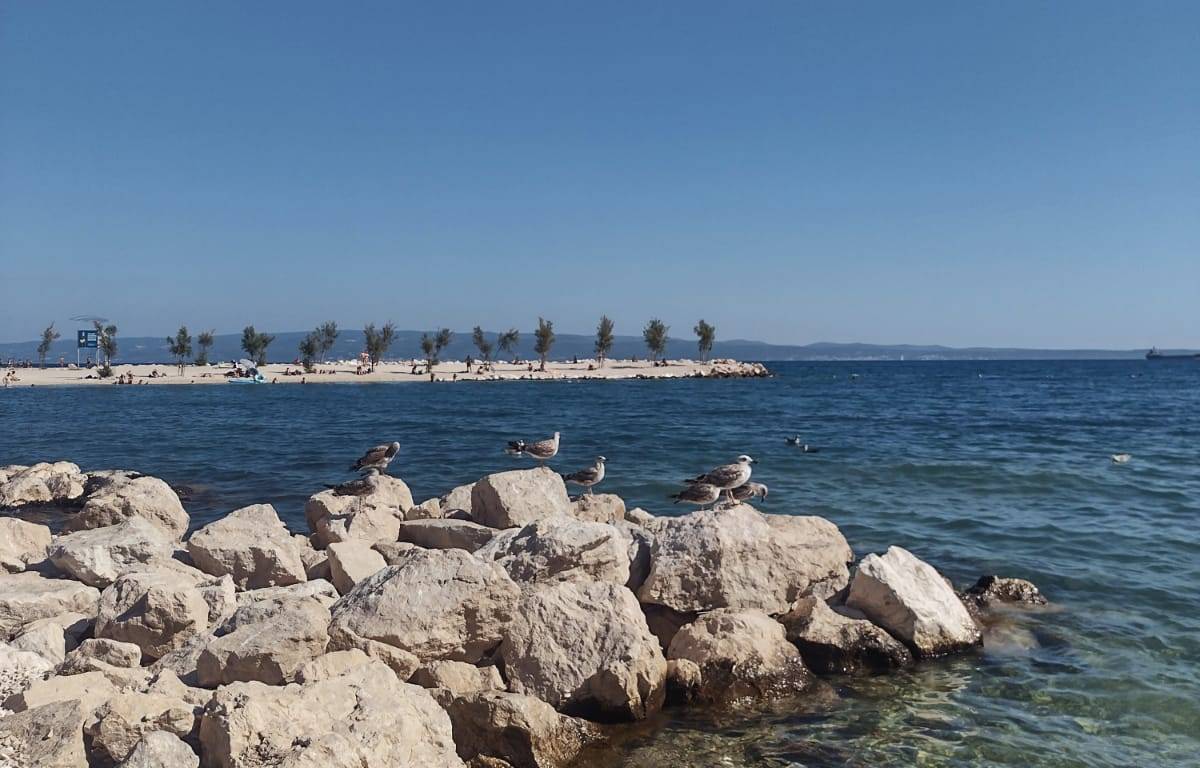

Embarking on a journey through the Balkans is like diving into a treasure trove of diverse cultures, breathtaking landscapes, and fascinating history. From the rugged peaks of the high mountains to the azure waters of the Adriatic Sea, this captivating region is often shrouded in misconceptions and unknown truths.
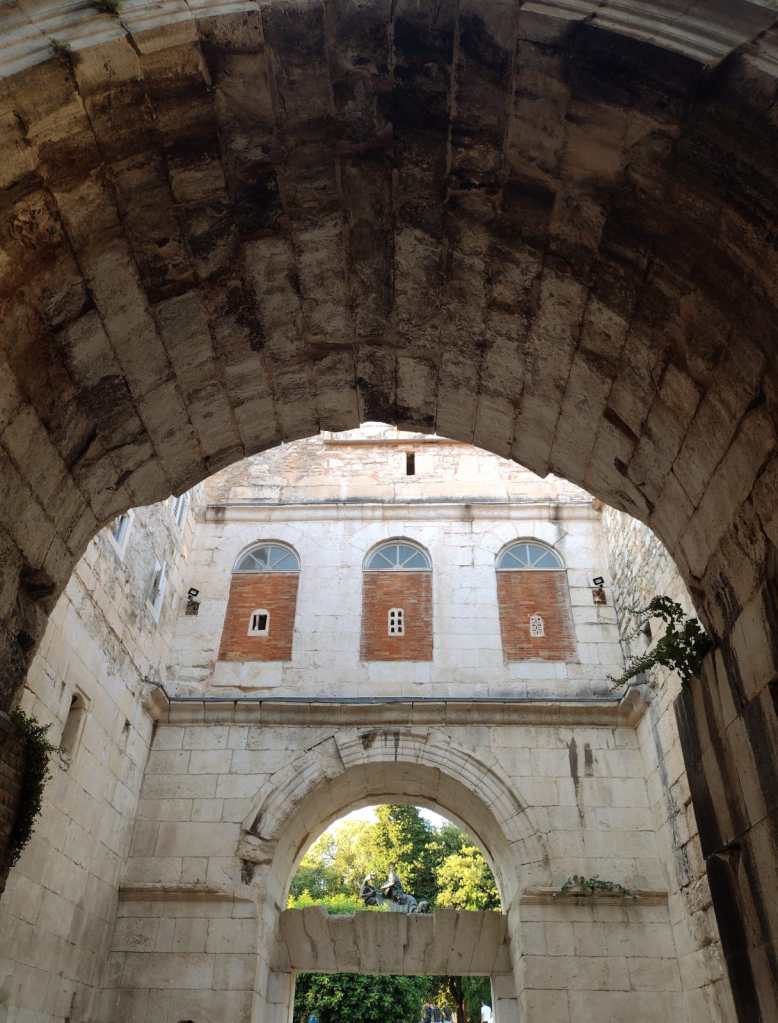
Myth: The Balkans are Unsafe
Many people associate the Balkans with past conflicts and assume it’s an unsafe region for travel. However, today, the Balkans are peaceful and welcoming to visitors. From the charming streets of Dubrovnik, Croatia, to the historic sites of Belgrade, Serbia, locals greet travelers with warmth and open arms, curious to know about their culture and ready to immerse into an intercultural conversation.
Top tip: Balkan cuisine is a must-try!
Balkan cuisine is a fusion of tantalizing flavors influenced by Turkish, Greek, Slavic, and Mediterranean culinary traditions. Indulge in mouthwatering dishes like cevapi/kebap (grilled minced meat), burek (savory pastry), and sarma (stuffed cabbage rolls). For vegans, it might be a bit complicated, but not impossible to find something traditional and worth tasting. Tourists often don’t miss savoring the rich flavors of rakija (fruit brandy) or sampling the delicious wines from the vineyards dotting the Balkan countryside. The region’s cuisine is a delightful surprise that will satisfy any foodie.
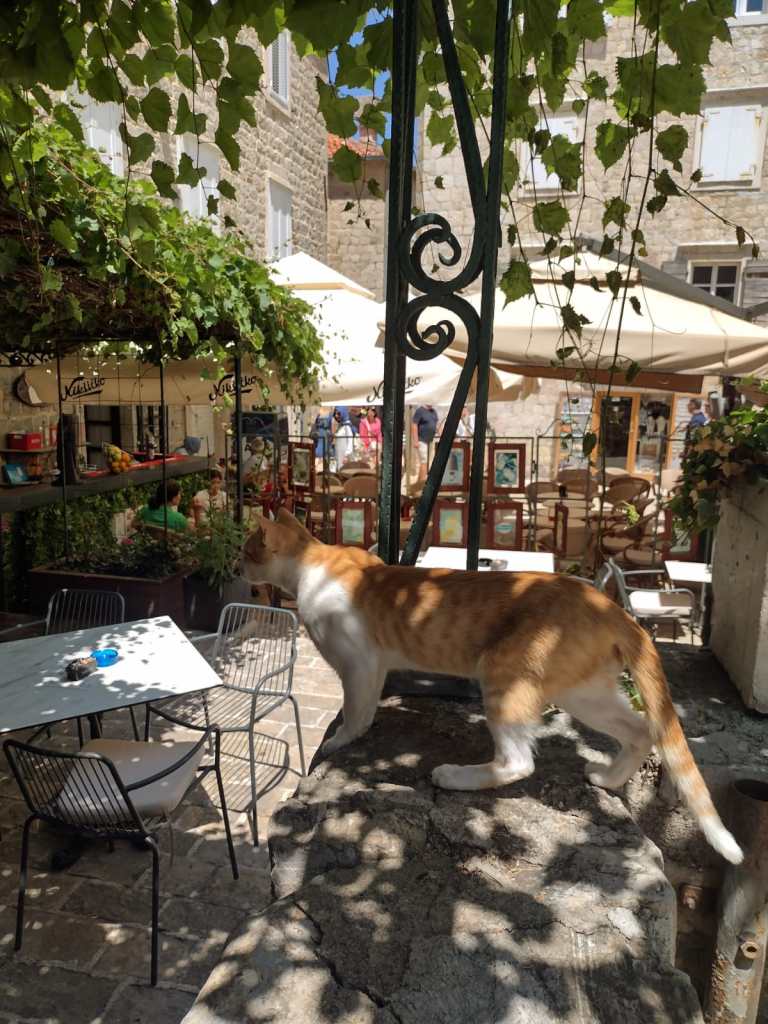
Myth: Language Barriers Are Insurmountable
Reality: Balkan people will find a way to understand you
While it’s true that the Balkans are home to numerous languages and dialects, English is widely spoken, especially in popular tourist areas. Locals are often eager to engage with travelers and will go out of their way to communicate, even if it means using gestures or Google Translate.
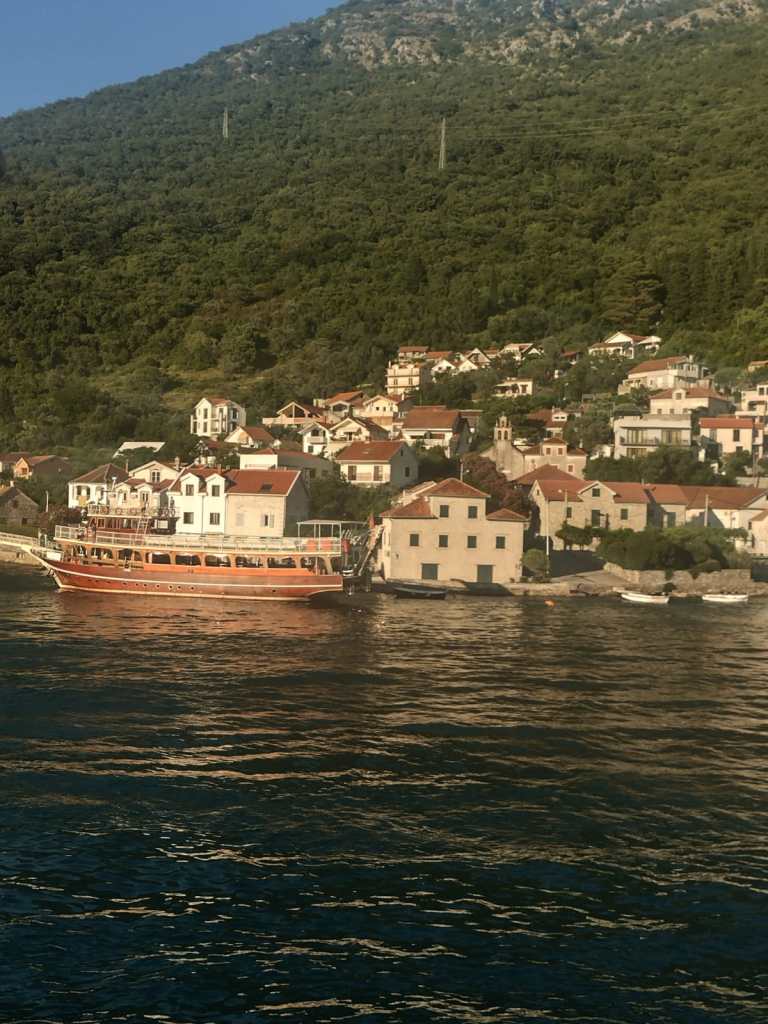
Embrace the region’s linguistic diversity as an opportunity to learn a few key phrases and interact with the local culture on a deeper level. In Serbia, Montenegro, Croatia, and Bosnia, you will be understood using the same basic expressions, which might also help you in Macedonia or Slovenia due to the linguistic similarity between these ex-Yugoslavia countries. In Albania, I tried using Italian when people didn’t understand English, and it often worked! If you’re a Spanish or Portuguese speaker, you might even be lucky to come across locals who understand these languages (thanks to the popularity of Latin American telenovelas in the ‘90s and early 2000s!). In any case, Balkan people are always willing to help you out.
Myth: The Balkans are Super Cheap
Reality: Beware of unexpected costs and tourist trap
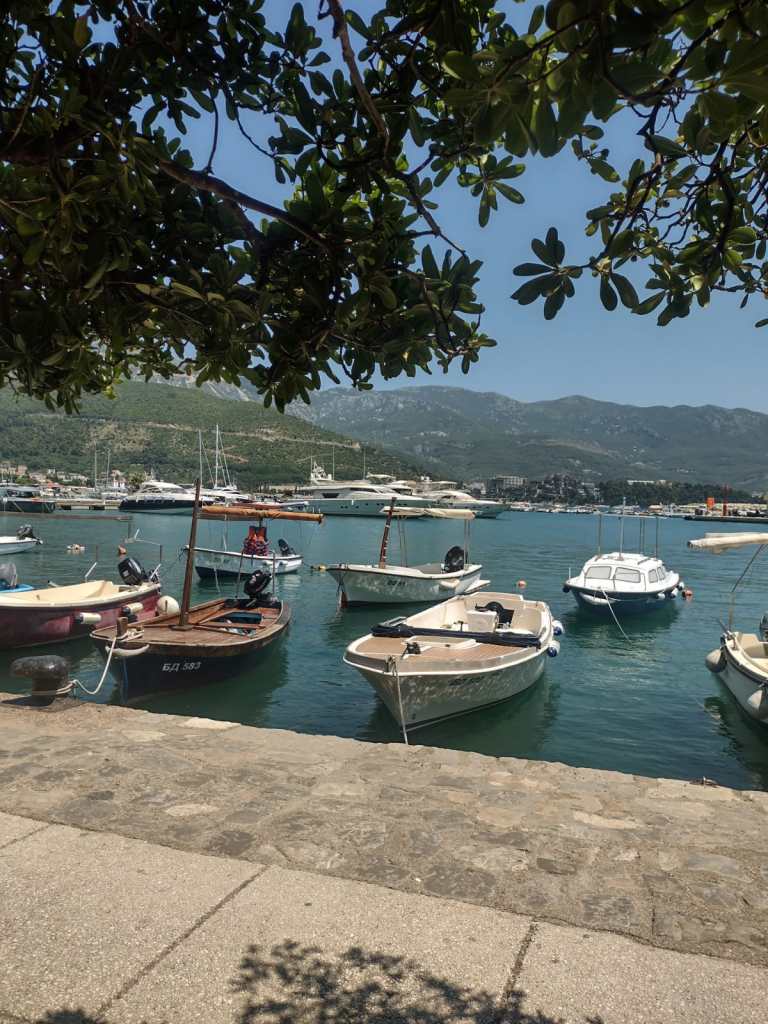
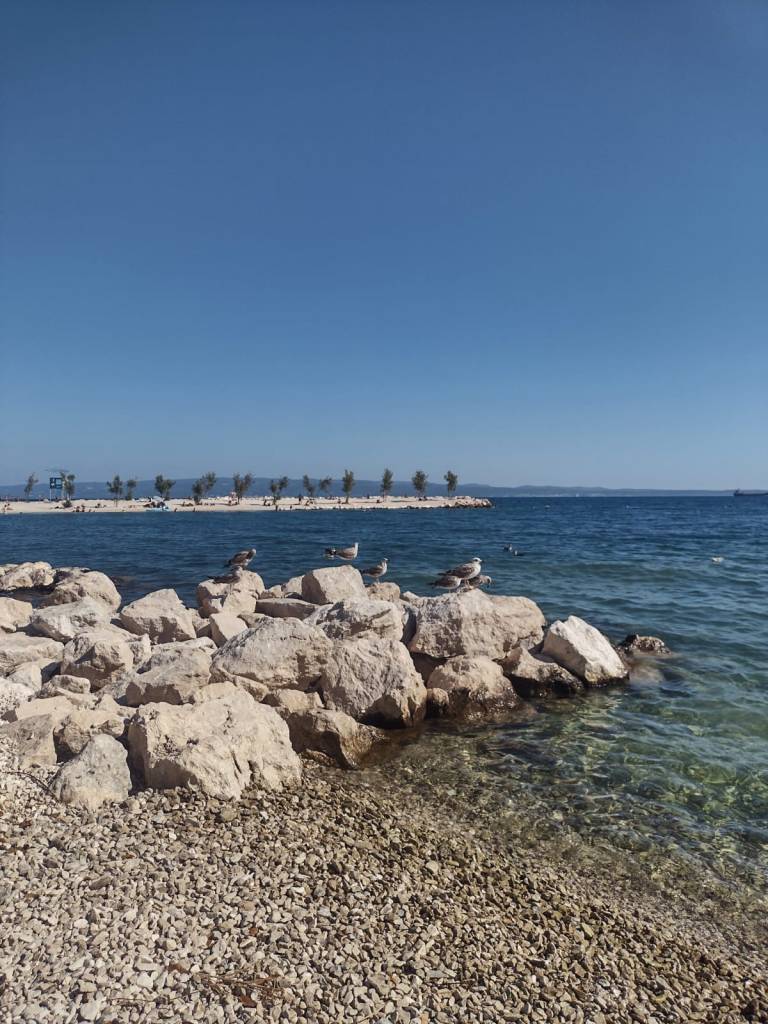
While it’s true that some parts of the Balkans are more affordable than Western Europe, it’s important to recognize that not all destinations within the region share the same price levels. Popular tourist spots like Split, Croatia, can be quite expensive, especially during peak seasons. Prices for accommodation, dining, and attractions might resemble those in Western European countries like Spain, for example. In certain areas of the Balkans, you may encounter hidden costs and additional fees that can catch you off guard. For instance, paying a fee to use public toilets or extra charges for baggage on buses is not uncommon.
Bargaining can also be a common practice in some parts of the Balkans, particularly in local markets and small shops. However, it’s important to understand the cultural context and when it’s appropriate to negotiate prices. In tourist areas or established businesses, bargaining is not as well-received, and fixed prices are more common.
Taxi scams targeting tourists are also a thing, unfortunately. To minimize the risk of taxi scams, choose licensed and reputable taxi providers. Look for official logos or signs on the vehicles and ensure that the driver has a valid identification card displayed prominently. To prevent fare disputes, especially for longer journeys or airport transfers, it’s advisable to negotiate or confirm the fare with the driver before starting the trip.
Reality: Navigating Transportation can be challenging
In the Balkans, it’s not uncommon to encounter limited direct routes between certain destinations. This may require taking multiple buses, planes, or trains to reach your desired location. To overcome this challenge, plan your itinerary in advance and explore alternative transportation options.
Due to historical and political complexities in the Balkans, border crossings can sometimes present challenges. For example, if you plan to travel through Kosovo, ensure that your passport is valid and check if you require a tourist visa. Stay updated on any political developments or restrictions that may affect your journey. Consult official government websites or consulates for the most accurate and up-to-date information.
One of the best ways to navigate transportation challenges in the Balkans is by tapping into the knowledge of locals. Engage in conversations with hotel staff, fellow travelers, or friendly locals who can provide valuable tips and advice. They can offer insights on the best routes, alternative transportation options, and local nuances that may impact your journey. Delays, detours, or unexpected disruptions can also happen (In Montenegro, my bus was one hour late and I was told that it was normal). Embrace these moments as part of the adventure and maintain a positive mindset.
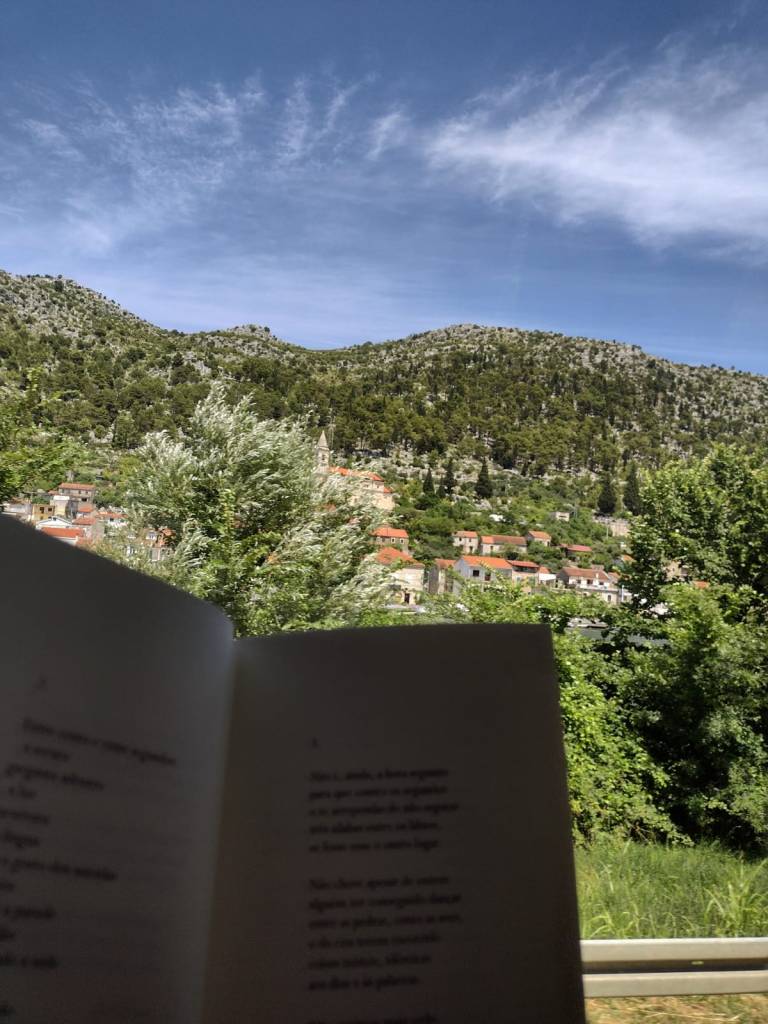
One of the captivating aspects of traveling through the Balkans is the opportunity to immerse yourself in a rich tapestry of diverse cultures, influenced by Greek, Albanian, Slavic, Byzantine, Ottoman, and ex-communist traditions. The region’s architecture, mentality, food, languages, and dialects reflect this fascinating blend. Moreover, the Balkans’ tumultuous history, characterized by conflicts and friendships, adds an intriguing layer to the experience.
Top tip: Movie recommendation
To delve further into the Balkans’ complex history, consider watching the movie “Bal Kan Kan.” This comedy-drama offers a window into a world torn apart by conflicts that still bear consequences today. It explores the lives of individuals from different ethnic backgrounds, highlighting the region’s diversity and the human connections that transcend cultural boundaries.
“Bal Kan Kan” provides an emotional and thought-provoking glimpse into the Balkans’ past, offering travelers a unique perspective on the region’s historical complexities.
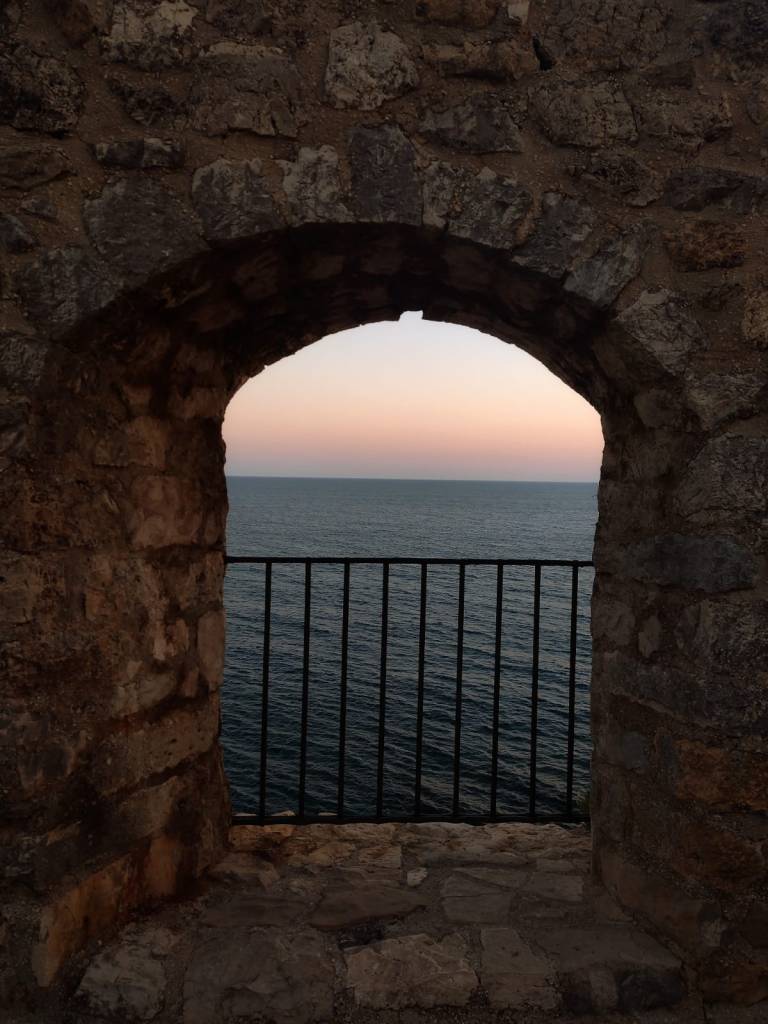
With its warm hospitality, mouthwatering cuisine, stunning landscapes, linguistic diversity, and year-round appeal, the Balkans promise a travel experience that will leave an indelible mark on your heart. Pack your bags, open your mind, and embark on an unforgettable adventure through this captivating corner of the world.
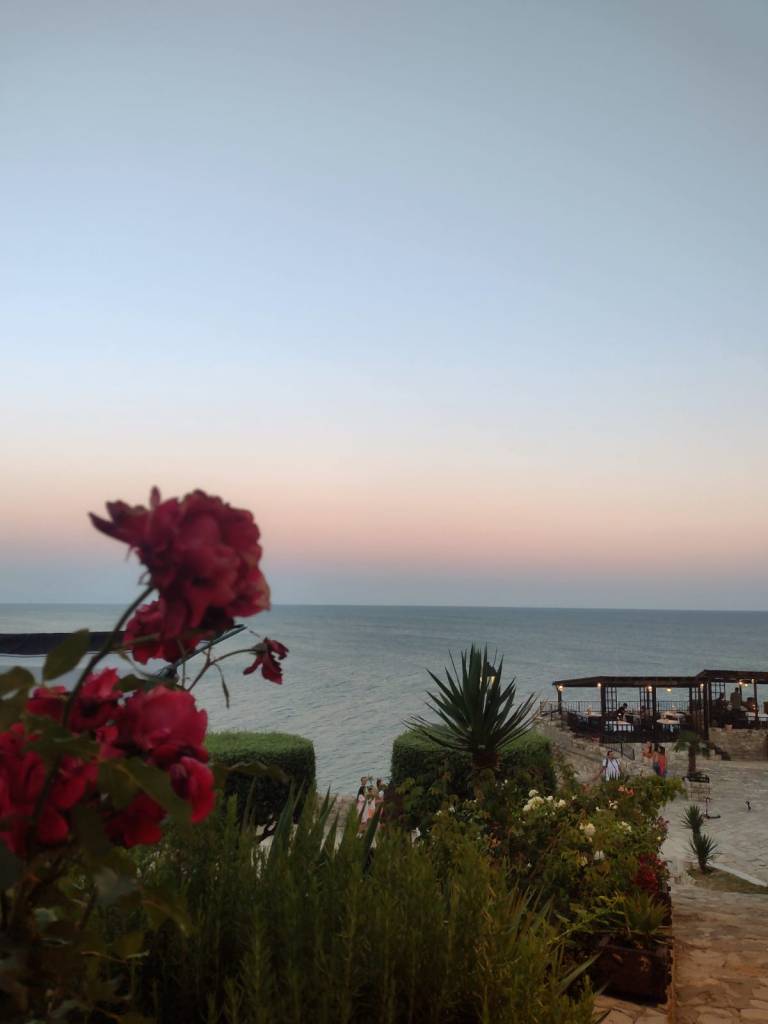
Did you like this post? Subscribe to our adventures and be the first to receive each new tale as it unfolds… 📖
If you’ve enjoyed my posts and would like to show your support, consider sharing a virtual cup of coffee with me. With love and gratitude, thank you for being a part of this journey!
Buy me a coffee ☕
Make a monthly donation
Make a yearly donation
Choose an amount
Or enter a custom amount
Your contribution is appreciated.
Your contribution is appreciated.
Your contribution is appreciated.
 Art of Saudade
I would love to visit Croatia and Montenegro.
LikeLiked by 1 person