
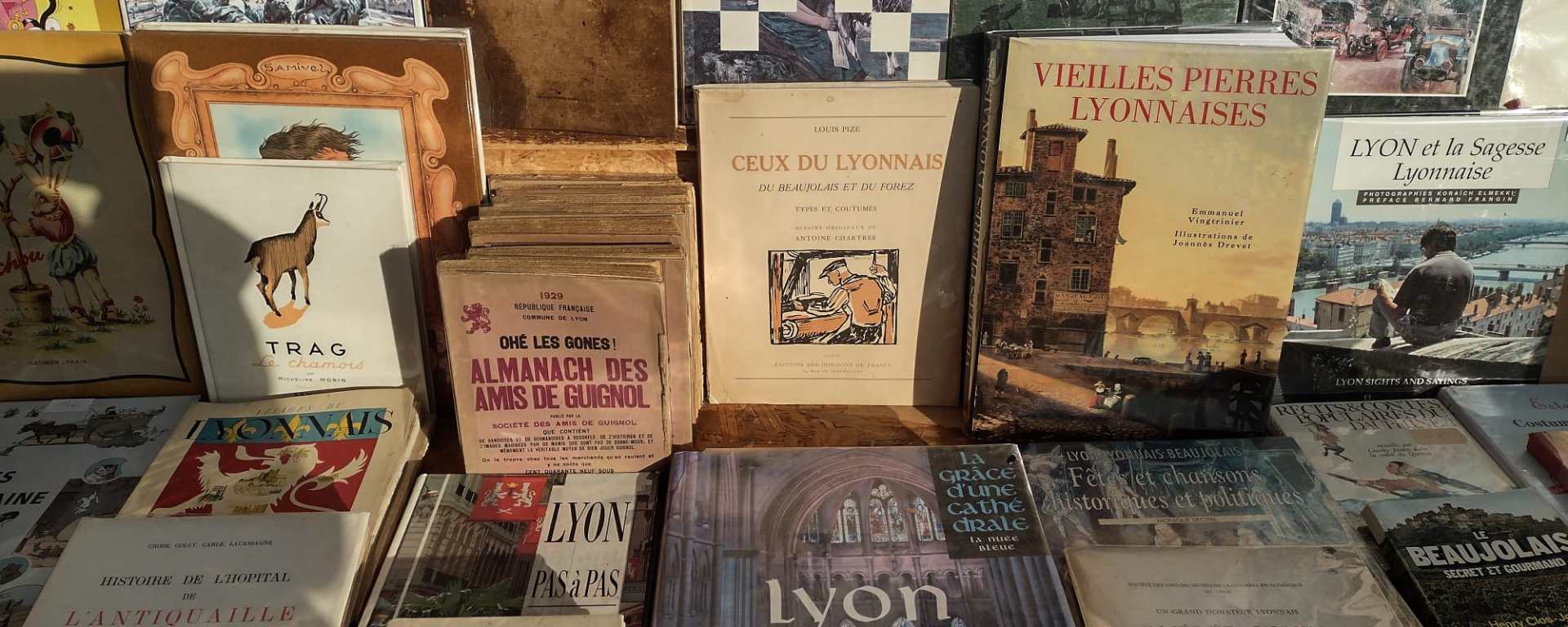
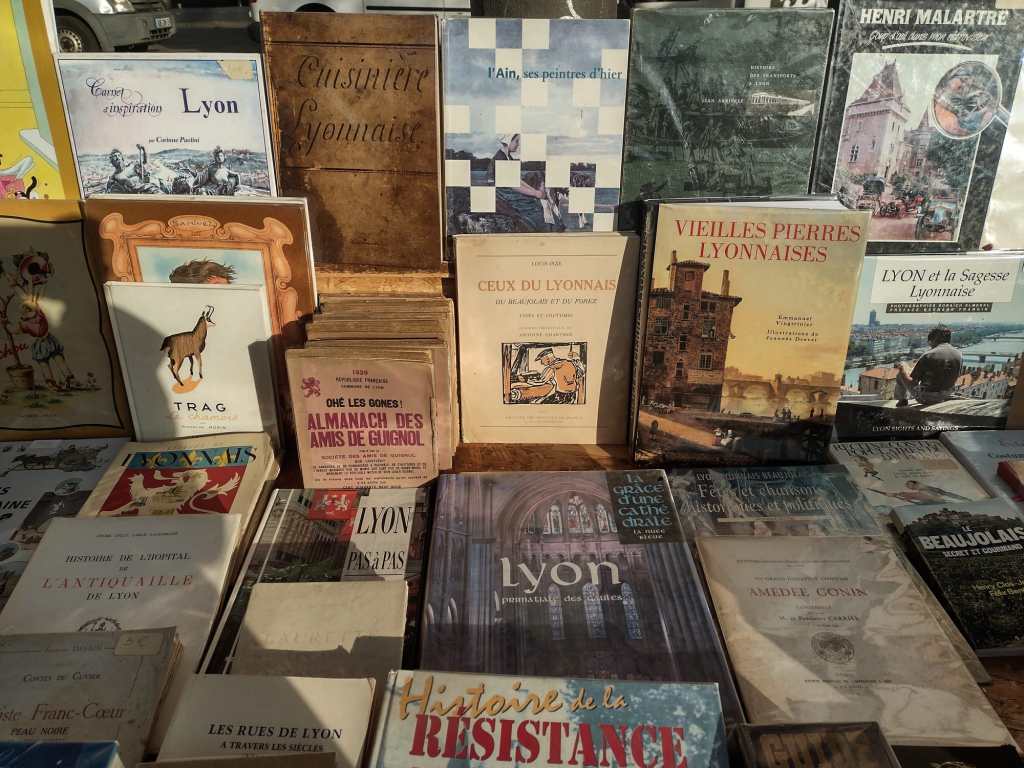
In the heart of Lyon’s Sunday flea markets, I stumbled upon a fascinating artifact – a weathered 1927 Almanac. The Almanac, a treasure trove of information from times gone by, served as a window into the lives and minds of our ancestors, providing insights into their thoughts, habits, and quirks.

As I delved into the yellowed pages of this relic, I discovered a world that existed a century ago, a time when Almanacs were commonplace and not just collector’s items. Here are 10 captivating lessons from the 1920s:
If you can write, you can draw
A quirky advertisement for a drawing school captures attention, highlighting the link between writing and drawing.
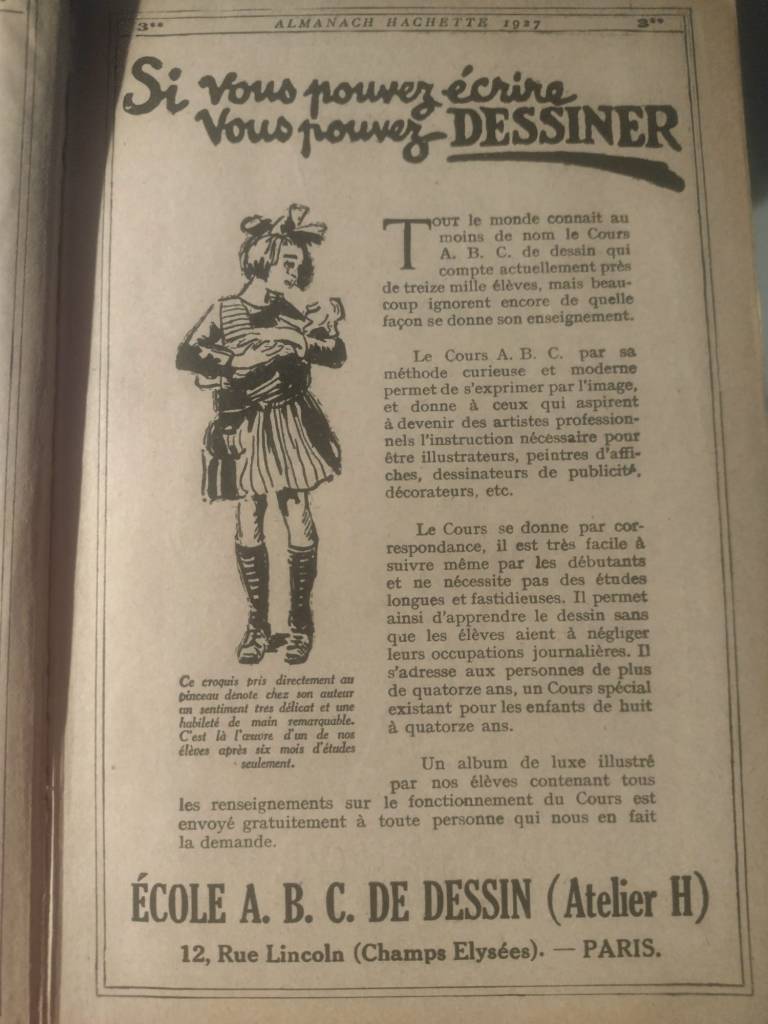
Transporting us to an era before digital dominance, this headline not only captures attention but also hints at a clever strategy – the emphasis on writing skills. The reason becomes clear when considering that these drawing courses were offered through the mail, offering a fascinating glimpse into a time when creativity was nurtured through written correspondence. In a world now saturated with instant communication, this historical gem sparks a nostalgic appreciation for the ingenuity of marketing in a bygone era.
Boredom is death – laugh and make laugh!
“Boredom is death – laugh and make laugh!” declares another attention-grabbing headline, serving as one of the numerous advertisements in the Almanac, specifically for a comedy catalog.
Consider the historical context – this Almanac hails from the interwar period, a time marked by considerable challenges. Yet, even in the face of adversity, laughter emerges as a recurring theme, showcasing its timeless status as one of humanity’s finest attributes. The resilience to find joy amid hardship is a testament to the enduring power of laughter, a quality that has persisted through the ages and remains a fundamental aspect of the human spirit.
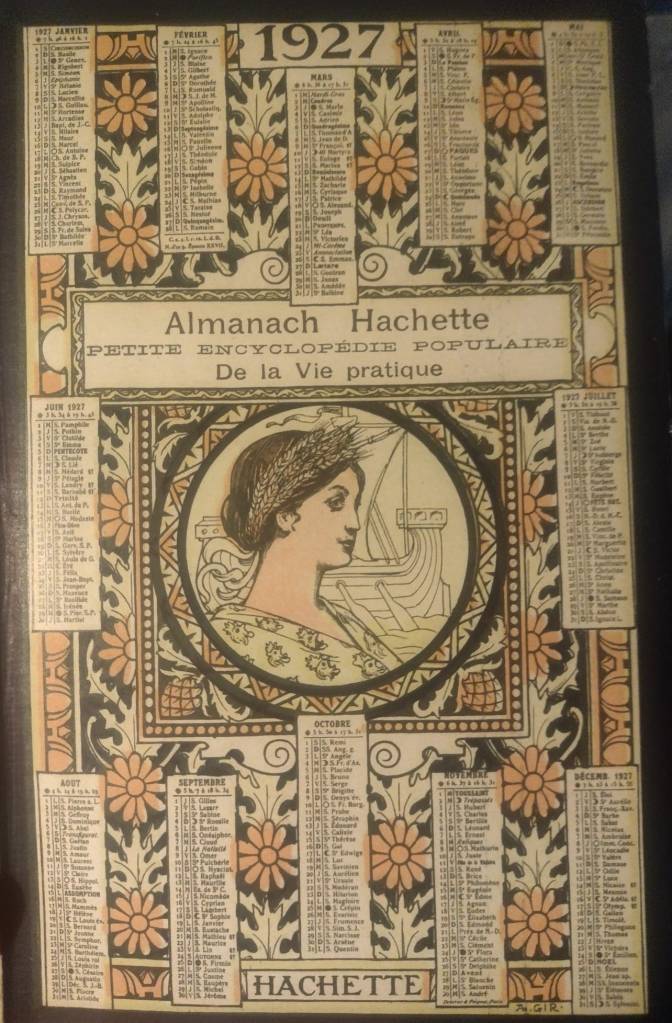
On Science
“Man looked at the sky with amazement at first, with superstition next, and with science finally.”
A complete page in the Almanac is devoted to the fascinating realms of astronomy and science, providing a captivating journey through the evolving perspectives of humanity toward the celestial wonders above.
Fashion in 1926:
A glimpse into the glamour of the Roaring Twenties.
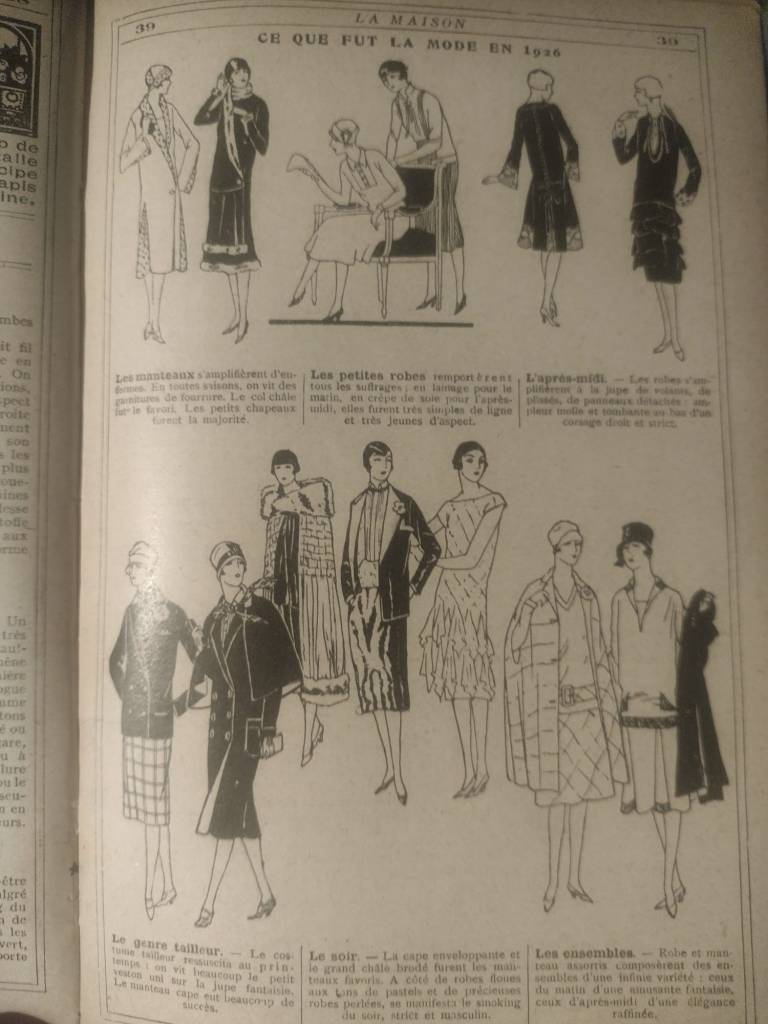
The era embraced sumptuous dresses, often adorned with a constellation of sequins, pearls, and white diamonds. These opulent garments also featured floral embellishments in the form of long fringes made of lilac, silk, or pearls. For men, the smoking jacket attire included an open vest, reflecting the distinctive fashion trends of this glamorous era.
On the importance of order
A precursor to modern self-help advice – maintaining order in the linen closet as a principle of aesthetics, convenience, and economy.
“The order in the linen closet is not only a matter of aesthetics or convenience; it is also a principle of economy, facilitating easy control and rational usage. It constitutes a significant aspect of maintaining order within the household.”
On the importance of sleep
The importance of sleep is underscored by the statement: “Effort intoxicates the organism; effort is healthy when it begins, becomes tiresome after a few hours; continued, it becomes depressing; and excessive, acts like a poison! Sleep is a mandatory detoxification cure.”
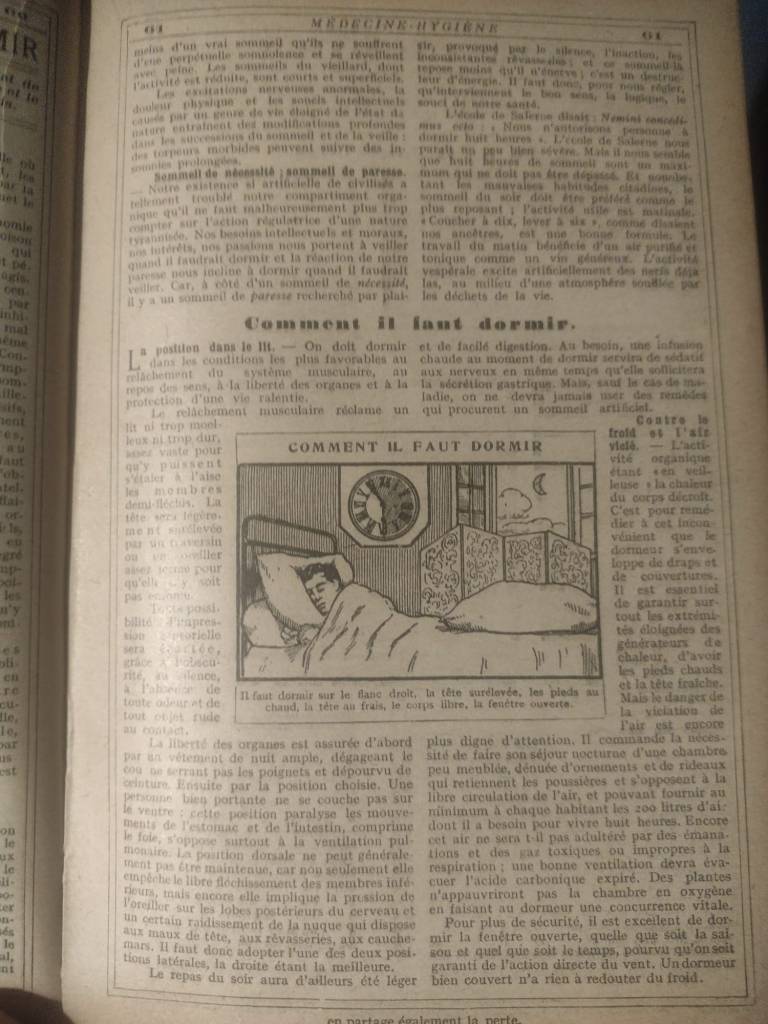
How did people in the 1920s recommend sleeping?
“One should sleep on the right side, head elevated, feet warm, head cool, body free, with an open window, in a sparsely furnished room, devoid of ornaments and curtains that trap dust and hinder the free circulation of air.”
What to do and what not to do if you are feeling “nervous”
– Do not read before bedtime; reserve tasks that require mental effort for the morning.
– Eat slowly at fixed times, consume simple food, and have a bit of red wine mixed with plenty of water.
– Upon waking, take a warm shower or a hot bath.
– Alleviate nervous tension through muscle exercises like tennis, walking, swimming, and outdoor games, without excess.
– Reside in a plain or mountainous area with a moderate altitude, choose a cheerful and peaceful landscape, sheltered from the winds.
What not to do:
– Do not marry too late if you want to bring patience to the household.
– Avoid engaging in occult sciences or spiritualism.
– Refrain from consuming marine meats, charcuterie, fermented cheeses, cakes, or sweets.
– Avoid living in confined air spaces; do not turn your workplace into a smoky environment; frequently ventilate your office.
– Do not take vacations near the sea. The maritime climate is the enemy of the nervous person, causing frequent insomnia. (Weird, as it is commonly believed that the sea is beneficial for health. Has this perception changed over time?)
– Do not become a deputy, lawyer, doctor, automobile driver, businessman, or actor; do not participate in any intellectual or sports competitions.
– Avoid engaging in discussions provoked by games.
– Do not live near shooting ranges, forges, sawmills, music schools, railway stations, or tramway depots. (Quite exhaustive, huh?)
Early thoughts on plastic surgery
Shockingly, a 1920s ad discusses the intersection of medicine and aesthetics, promoting surgery to correct ‘natural disgraces’.
“The advances in surgery and other branches of medicine spill over into the realm of aesthetics. No longer content with merely curing ailments, we now correct ‘natural disgraces.’ Physical ridicule is lethal; particularly pronounced and repulsive ugliness inflicts a sense of inferiority. The art that rectifies features and eradicates causes of failure is therefore not frivolous.”
Cost of living in 1927
In 1927, the cost of living was notably high in several European countries and the United States. The list of the most expensive countries included France, England, Sweden, Switzerland, Czechoslovakia, Germany, Belgium, Spain, Italy, and the USA. The elevated living expenses in these nations were attributed to factors such as the devaluation of the franc and dollar, the aftermath of the war, and the evolution of industries.
On women in the 1920’s
A glimpse into gender dynamics as an ad promotes stenotypist jobs for women, attributing their entry into the workforce to the rising cost of living.
On one page, there’s a heading that reads ‘a new career for women’, and it begins by stating, ’The time is no longer when young girls and women could content themselves with staying at home to attend to household duties. The rising cost of living has altered our customs, and many women must now seek employment to ensure their livelihood.’
The narrative implies that this financial necessity is the sole reason women are entering the workforce, suggesting a historical perspective where it was assumed women never desired to work but are compelled to do so now. This insight into the perceptions of women a century ago sheds light on enduring patriarchal patterns, explaining why, even today, such patterns persist—100 years may seem like a short span in human history, and the roots of societal norms take longer to evolve.

Reading this 1920s Almanac felt like unlocking a time capsule, revealing snippets of a bygone era’s politics, diplomacy, lifestyle, and societal norms. I highly recommend this journey through history that sparks reflection on the evolution of human life. Life a century ago may be a distant memory, but its echoes continue to resonate in our world today.
Which of these insights surprised or amused you the most? Share your thoughts in the comments below!
Subscribe to our adventures and be the first to receive each new tale as it unfolds… 📖
If you’ve found value in my posts and would like to express your support, you can symbolically share a virtual cup of coffee with me. ❤️
Buy me a coffee ☕
Make a monthly donation
Make a yearly donation
Choose an amount
Or enter a custom amount
Your contribution is appreciated.
Your contribution is appreciated.
Your contribution is appreciated.
 Art of Saudade