

In the year 1854, a time far removed from the groundbreaking theories of Freud and the literary innovations of Proust, a French poet named Gerard de Nerval embarked on a poetic journey that would challenge the norms of literature. Nerval’s work, “Aurélia,” stands as a testament to his exploration of the oniric world, a dreamscape that defies the conventions of its time.

Nerval, a self-proclaimed hopeless romantic, drew inspiration from Renaissance figures like Dante and Petrarch. His muse, the elusive Aurélia, occupies the liminal space between dreams and reality, forever intangible and unreachable. In a period where dreams were often associated with madness, Nerval dared to delve into the realm of “délire” and proposed to bring reason to this perceived madness.

by Caspar David Friedrich
“Dream is a second life,” declared Nerval, challenging the Cartesian rationalism prevalent in French literature. Yet, even within this second life, the poet acknowledges that it does not triumph over death.
“Je n’ai pu percer sans frémir ses portes d’ivoire ou de corne qui nous séparent du monde invisible”,
“I couldn’t pierce its ivory or horn doors, which separate us from the invisible world, without shuddering”, he writes, referencing Virgil, expressing the mysterious and elusive nature of the afterlife.
Nerval’s exchange of letters with fellow romantics such as Gautier and the renowned pianist Franz Liszt underscored his intellectual connections within the artistic circles of his time. His ideas of singularity, dreams, and memories would later find resonance in the works of Marcel Proust.
“Les premiers instants du sommeil sont l’image de la mort” – the first moments of sleep are the image of death. Nerval’s introspective musings on the border between wakefulness and slumber demonstrate his keen understanding of the profound connections between different states of consciousness.
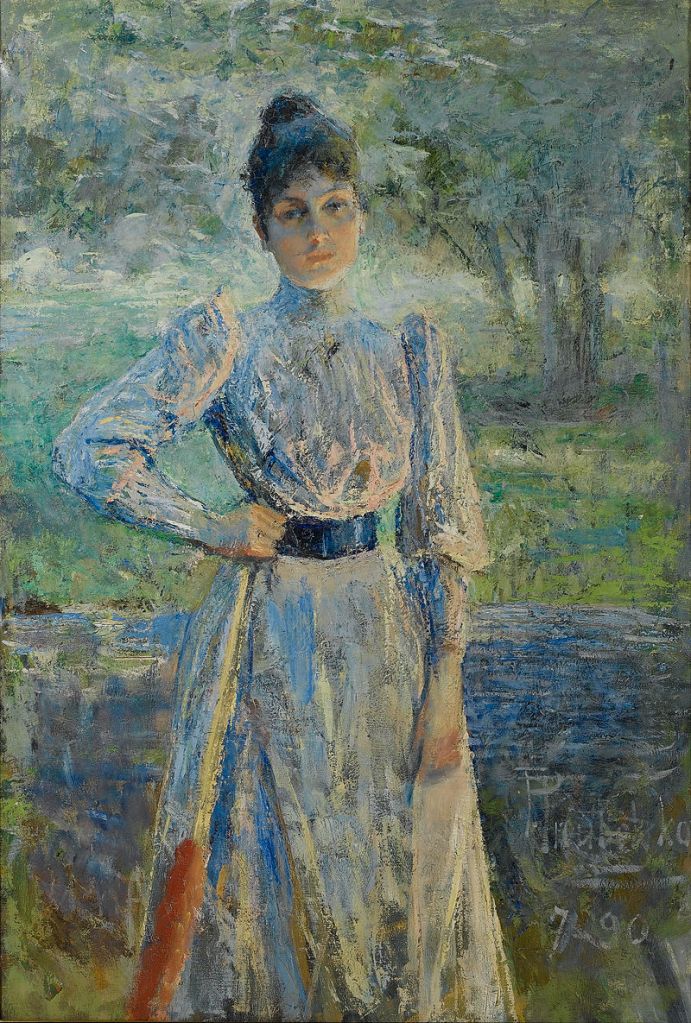
Interestingly, the female character remains elusive, never explicitly described. This deliberate ambiguity adds layers to the narrative, inviting readers to interpret and project their own emotions onto the ethereal figure of Aurélia.
The romantics of Nerval’s era were captivated by the allure of the Orient. In the mystical splendors of the Asian sky, Nerval envisioned immortality, a belief that everything and everyone he loved would endure eternally around him.
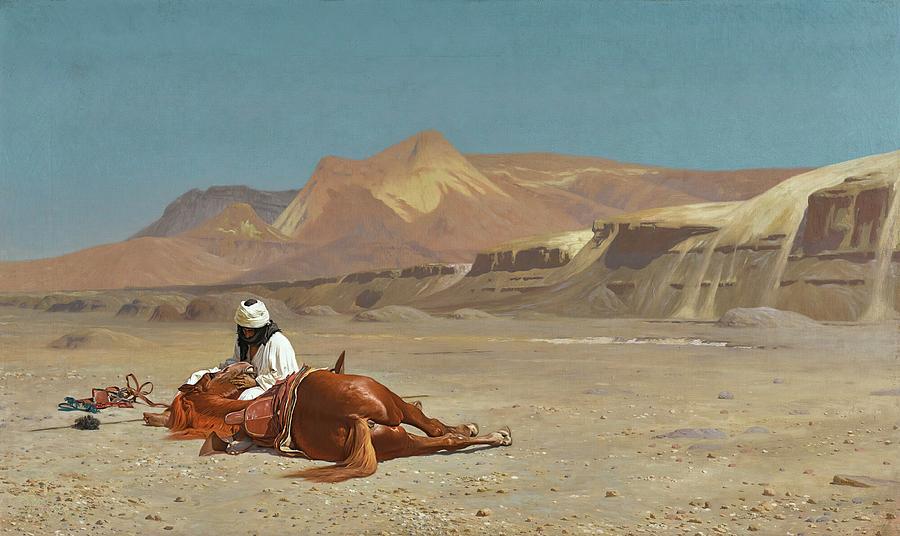
“Dans les mystiques splendeurs du ciel d’Asie,” he declared, emphasizing the romantic fascination with the exotic and the eternal.
Yet, even as Nerval indulged in dreams of celestial grandeur, he displayed a poignant vulnerability typical of the romantics. “Je me mis à pleurer à chaudes larmes comme au souvenir d’un paradis perdu” – “I began to weep hot tears at the memory of a lost paradise”. This vulnerability adds a human touch to the romantic grandeur, making Nerval’s emotions relatable across time and cultures.
In contemplating woman and nature, Nerval expressed the idea of losing sight of both as they transformed. “Je la perdais ainsi de vue à mesure qu’elle se transfigurait car elle semblait s’évanouir dans sa propre grandeur” – I lost sight of her as she transformed because she seemed to vanish into her own greatness.
“Oh, ne fuis pas car la nature meurt avec toi” – Oh, do not flee, for nature dies with you. These words encapsulate the romantic notion of an intimate connection between the feminine and the natural, where the loss of one signifies the demise of the other.
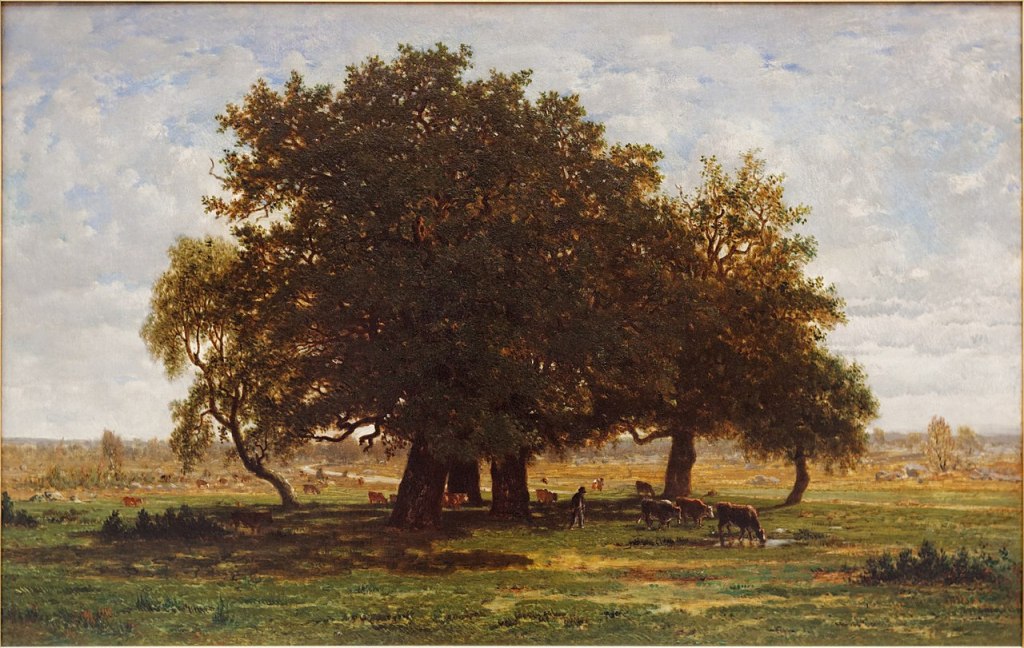
Nerval’s exploration of the dreamscape, the elusive muse Aurélia, and the connections between life, death, and the afterlife exemplify the struggles and triumphs of the 19th-century hopeless romantic. The romantics of this era, inspired by figures like Dante and Petrarch, sought to transcend the boundaries of reality, often finding solace and inspiration in the mystical, the exotic, and the eternal.
The poet’s unique blend of romanticism and vulnerability makes “Aurélia” a timeless work that continues to captivate readers, inviting them to explore the depths of dreams and emotions with an unparalleled sense of wonder.
So, dear reader, Let the words transport you to a time when being a hopeless romantic meant daring to dream, challenging the norms, and embracing the sublime in the everyday. As you turn the pages, let the spirit of 19th-century France envelop you, and may you discover, like Nerval, the enduring beauty in the pursuit of love, dreams, and the boundless wonders of existence.
Subscribe to our adventures and be the first to receive each new tale as it unfolds… 📖
If you’ve found value in my posts and would like to express your support, you can symbolically share a virtual cup of coffee with me. ❤️
Buy me a coffee ☕
Make a monthly donation
Make a yearly donation
Choose an amount
Or enter a custom amount
Your contribution is appreciated.
Your contribution is appreciated.
Your contribution is appreciated.
 Art of Saudade