

Welcome to the chaotic yet captivating world of bilingual brain gymnastics! If you’ve ever found yourself caught between the linguistic acrobatics of Spanish and Portuguese, you’re in for a hilarious ride.
This post is all about the funny and tricky moments of speaking two languages. In this post, we’re exploring the beauty and challenges of multilingualism, where false friends, linguistic traps, and unpronounceable words are all part of the fun.
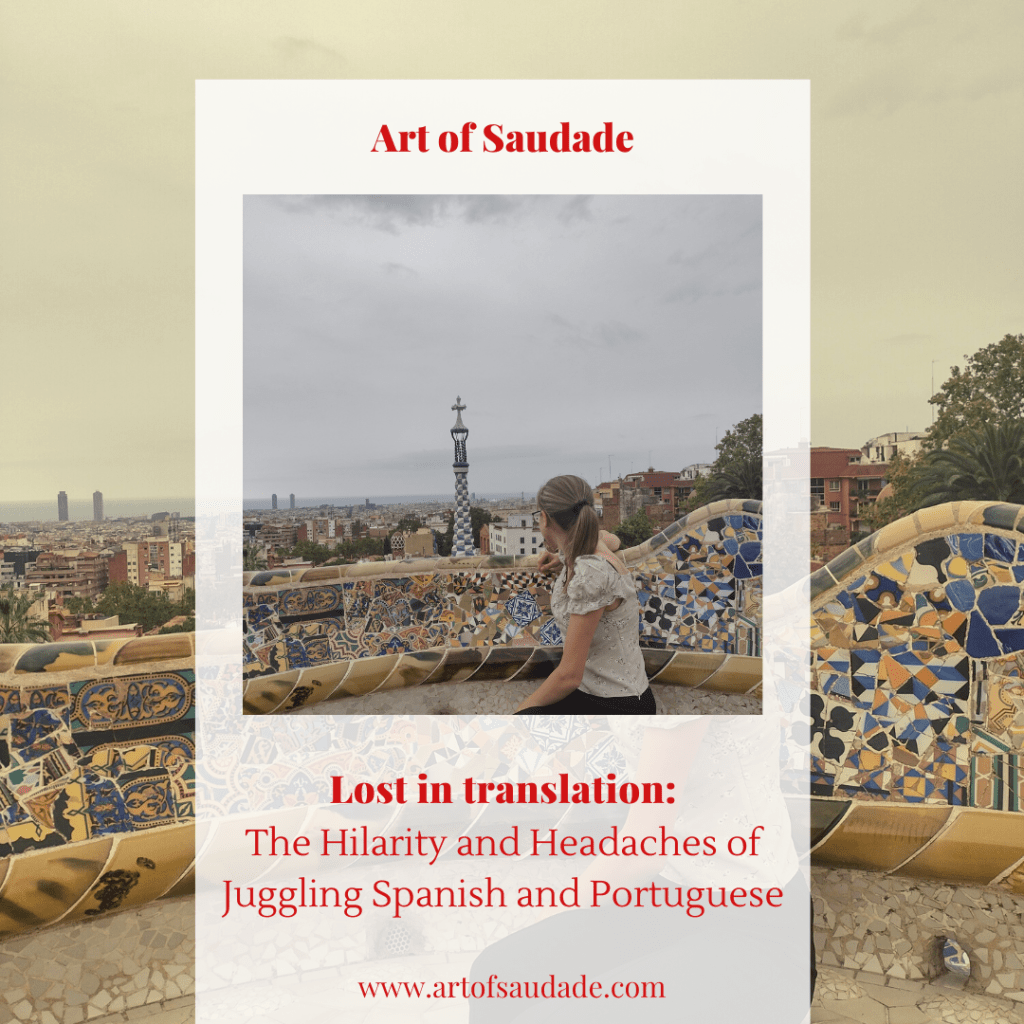
Picture this: Spanish and Portuguese, like a dynamic linguistic duo waltzing through your daily life. These two languages may seem like a match made in heaven, but as you’ll soon discover, the road to bilingual bliss is paved with unexpected twists and linguistic turns.
Words that play tricks on you:
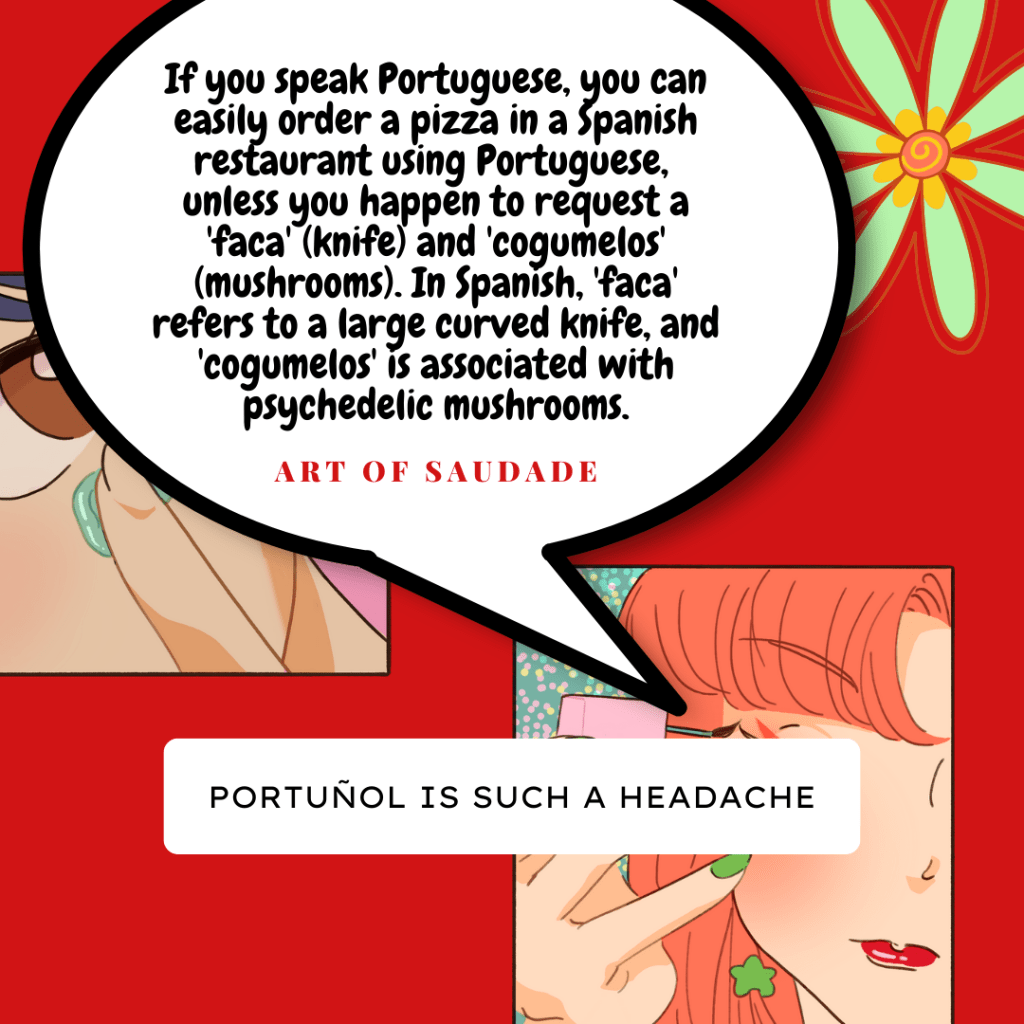
Let’s start with a classic case of mistaken identity – the word “faca.” In Portuguese, it’s just a kitchen knife. Switch to Spanish, and suddenly you’re asking for horror movie props instead of cutting bread. Quick tip: be careful in a Spanish restaurant – you might end up with more than just a meal!
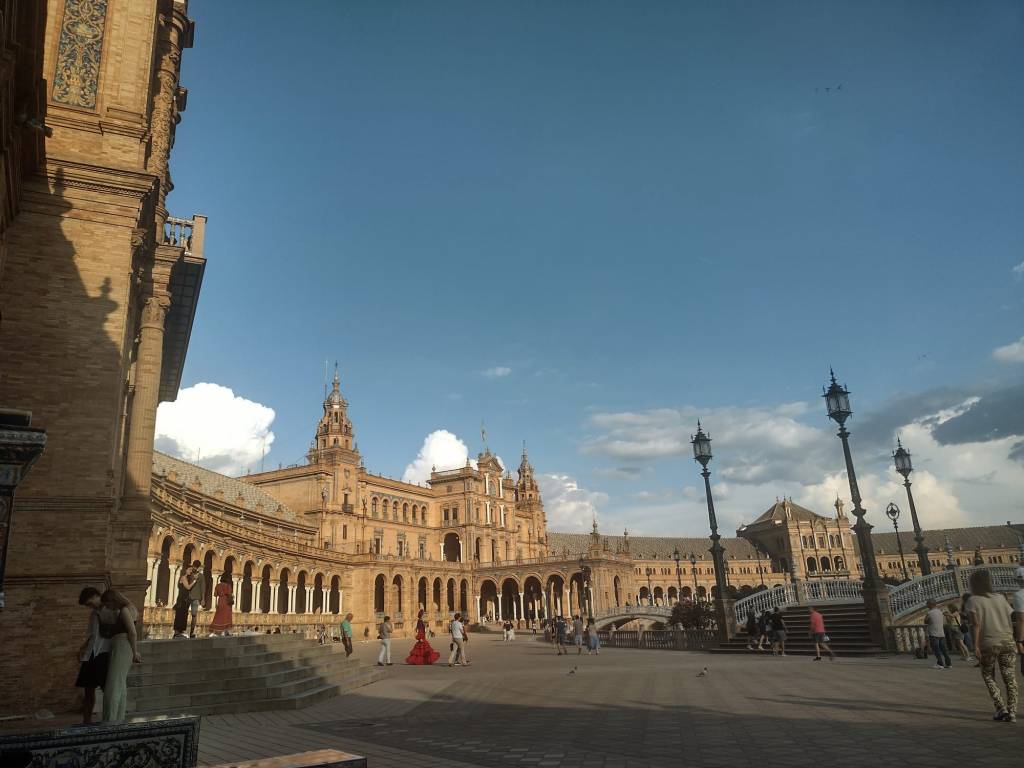
Next up, the innocent “cogumelos.” In Portuguese, it’s your standard pizza topping, but throw it into a Spanish conversation, and suddenly you’re on a psychedelic journey with magical mushrooms. Ordering pizza has never been so adventurous!
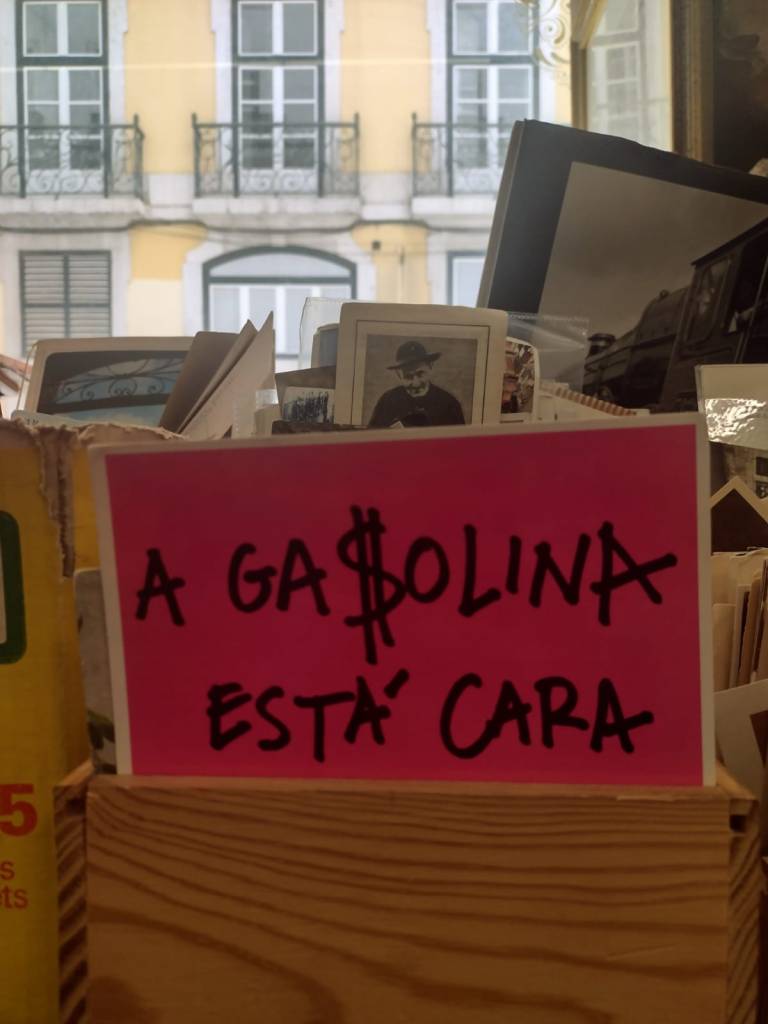
“Machucar” in Portuguese means “to hurt.” So, you can hurt your leg or even emotionally, get your heart hurt, as João Gilberto beautifully expressed in the jazzy bossa nova, “Pra machucar o meu coração.”
However, in Spanish, “machucar” is more like “smash.” So, be careful not to get your heart smashed in the Spanish context. Lesson learned: the meaning depends on the language and context is crucial.
If you’ve seen “coima” in Portugal, it means you had to pay a fine at some point. In Spanish, it’s not a fine – it means a bribe! The question is, how did we end up with such different meanings?

Lastly, let’s go to Brazil and Argentina. In Brazilian Portuguese, “quilombo” used to represent refugee slave communities. But in Argentine Spanish, it means chaos! The mysteries of language evolution!
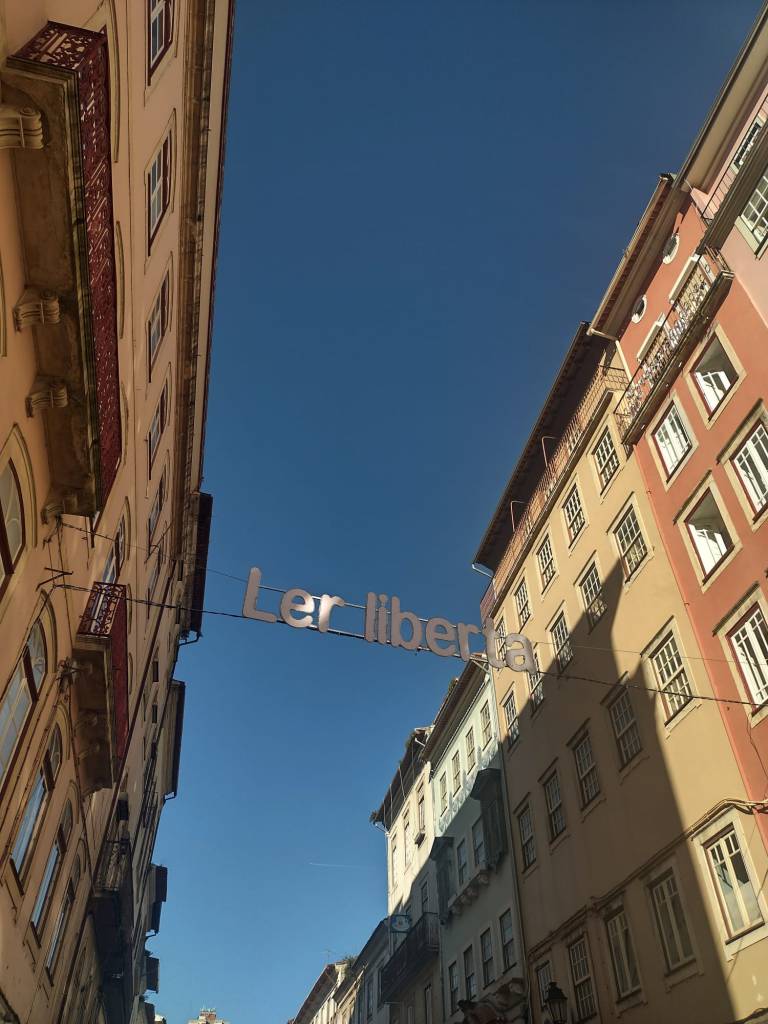
What funny mistakes have you made with languages? Let’s have a good laugh together in the comments.
Get ready for a language rollercoaster, where mix-ups are the norm, and confusion is just part of the fun. Speaking both Spanish and Portuguese might be a challenge, but it sure keeps life interesting!
Did you like this post? Subscribe to our adventures and be the first to receive each new tale as it unfolds… 📖
If you’ve found value in my posts and would like to express your support, you can symbolically share a virtual cup of coffee with me. ❤️
Buy me a coffee ☕
Make a monthly donation
Make a yearly donation
Choose an amount
Or enter a custom amount
Your contribution is appreciated.
Your contribution is appreciated.
Your contribution is appreciated.
 Art of Saudade