
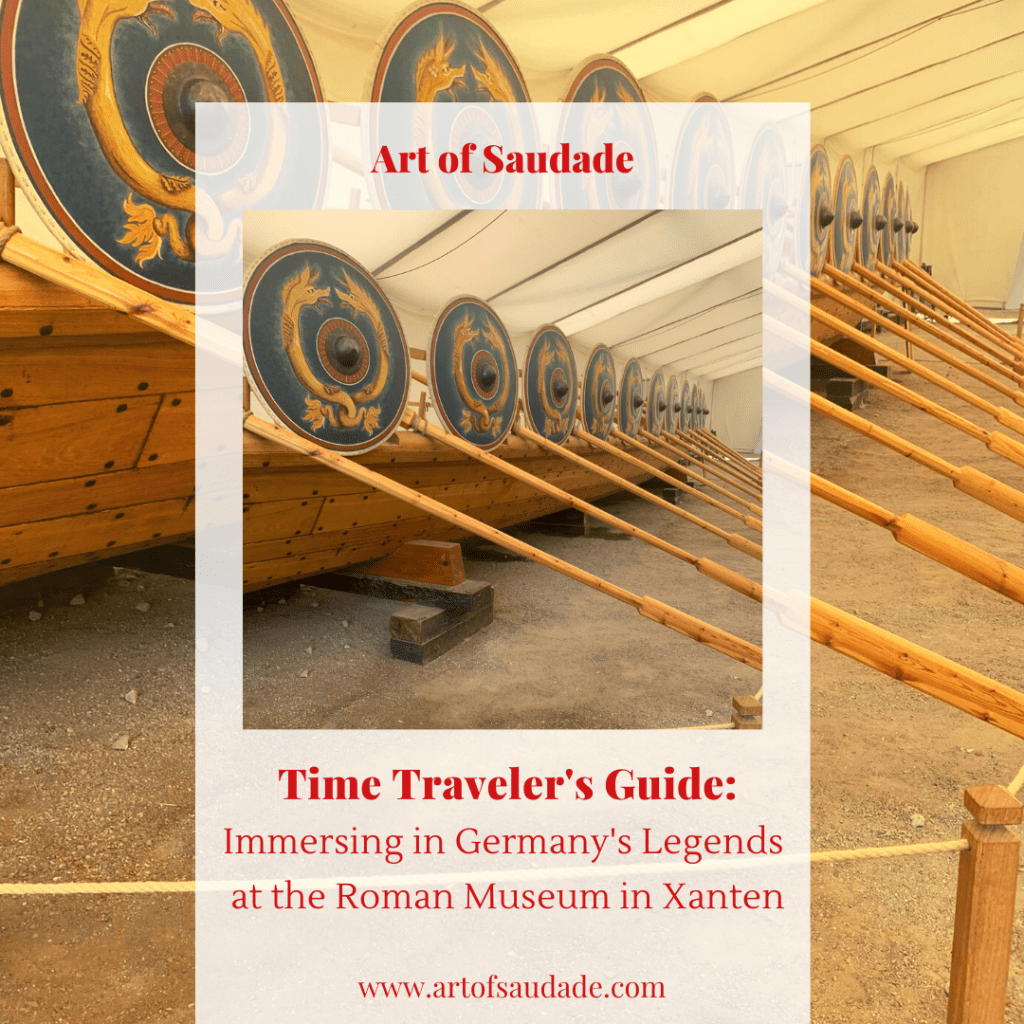
Welcome, fellow travelers, to a captivating tale of ancient lands, epic battles, and myths. In our quest to explore the rich history of Germany, we embark on a journey back in time to the 1st century BC.
Join us as we traverse the remnants of an era when the Roman Republic sought to conquer the lands of Germania, leaving behind a legacy that shaped the course of European history.
In the year 58 BC, the Roman Republic was at the peak of its power, led by the ambitious and skilled general Gaius Julius Caesar. Caesar had already achieved significant military successes in Gaul (modern-day France), and his eyes now turned eastward toward the lands inhabited by various Germanic tribes.
At this time, the Germanic tribes were loosely organized and fiercely independent. They lived in the vast territories of Germania, which covered present-day Germany and parts of surrounding regions. The tribes included the Suebi, Cherusci, Chatti, and many others, each with their own leaders and customs.
Over the following years, Caesar conducted several more military campaigns into Germania, with varying degrees of success. He faced fierce resistance from the Germanic warriors, led by skilled chieftains such as Ariovistus of the Suebi and the renowned Arminius of the Cherusci.
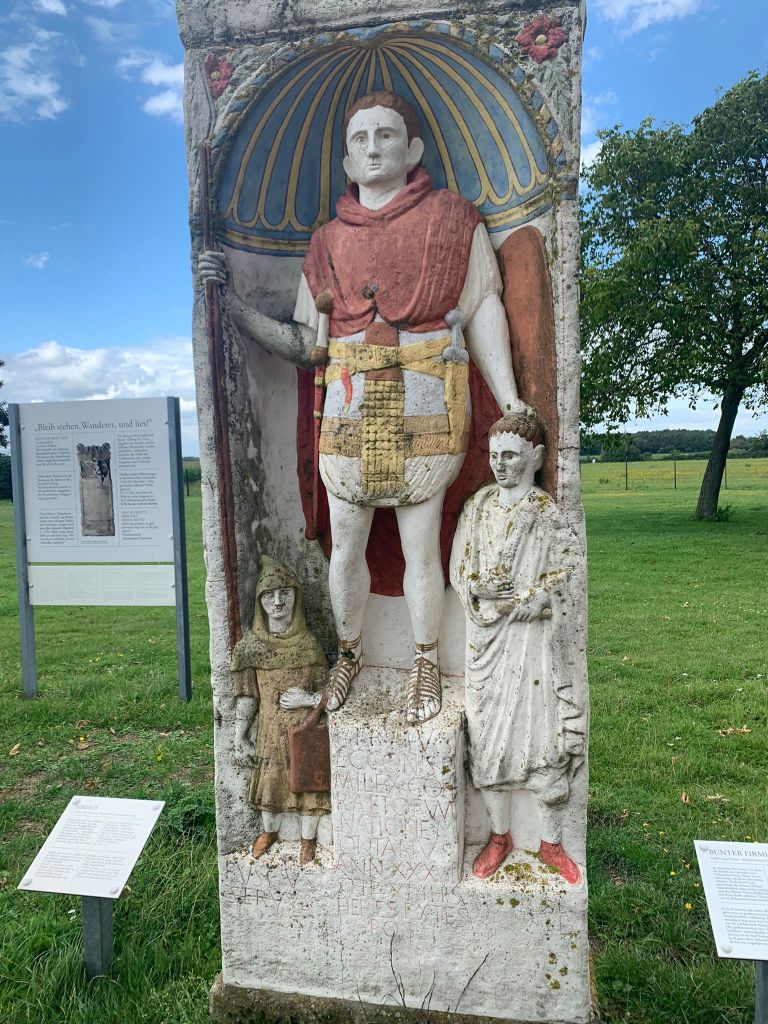
It was during these campaigns that the Battle of Teutoburg Forest, which took place in 9 AD, became a turning point in Rome’s attempts to conquer Germania. Arminius, who had been serving in the Roman military, turned against his Roman allies and rallied various Germanic tribes to defeat three Roman legions led by Publius Quinctilius Varus. The Romans suffered a devastating defeat, and Varus himself perished in the battle.
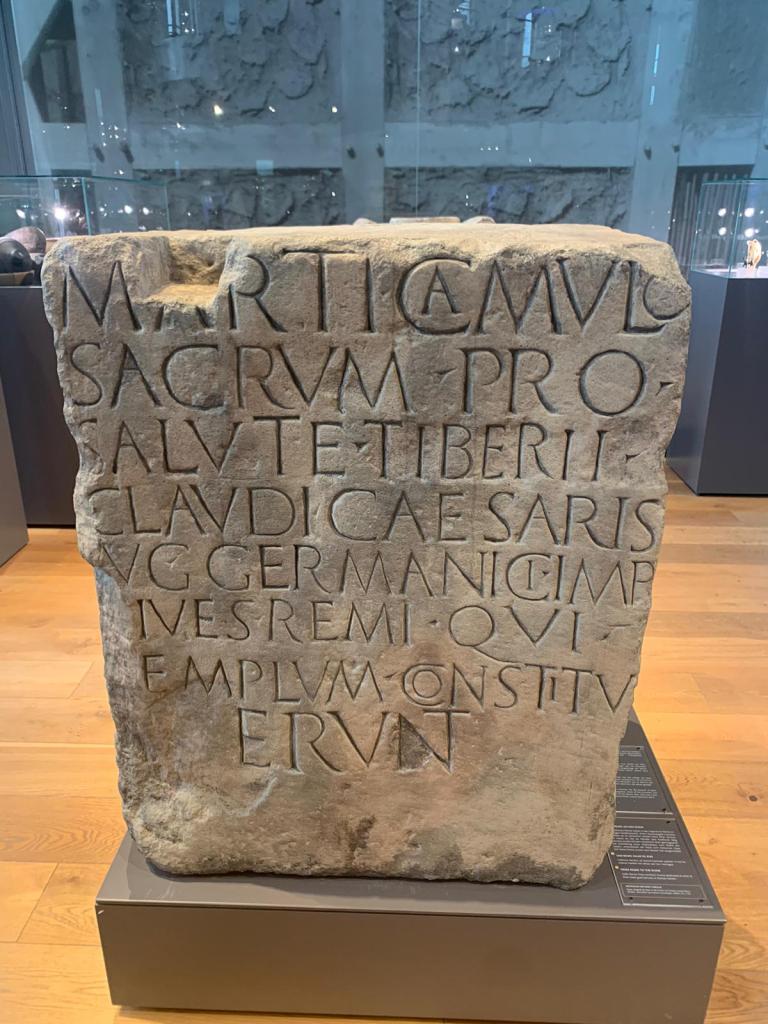
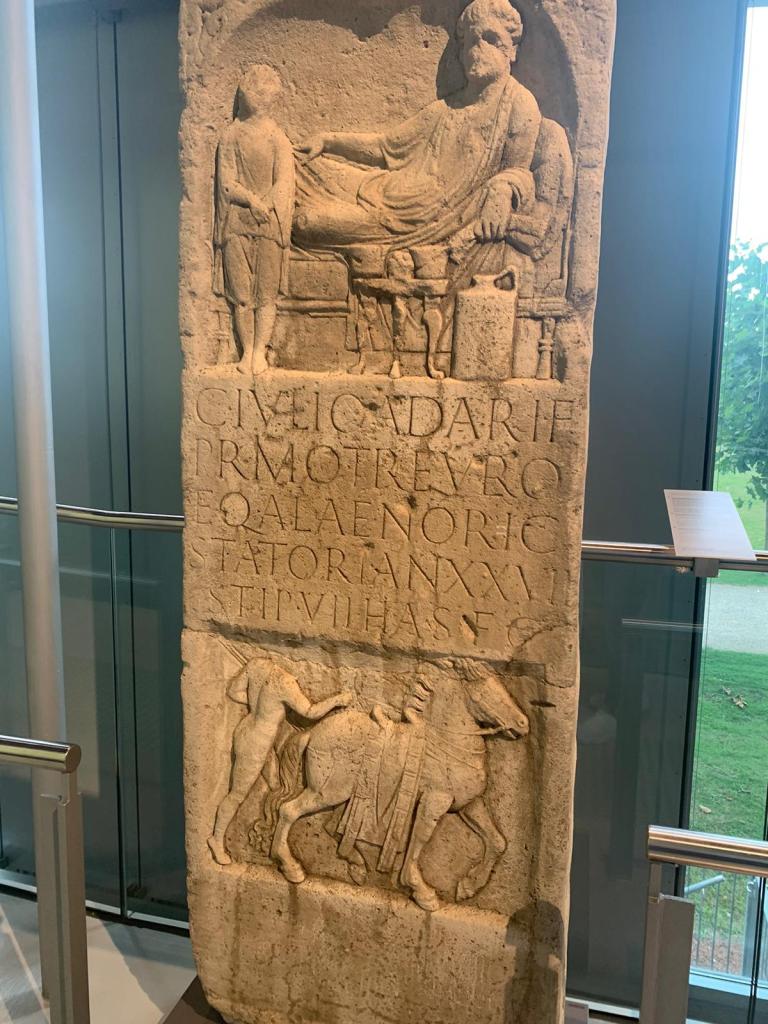
Although Rome never fully conquered Germania, the Roman presence in the region influenced the Germanic tribes in various ways. Trade and cultural exchange between the Romans and the Germanic peoples led to the adoption of Roman customs, language, and technology among certain tribes.
The Frankish Empire would eventually emerge, unifying much of Germania under Charlemagne’s rule. The story of Rome’s attempt to conquer Germania laid the groundwork for the emergence of medieval and modern Germany.
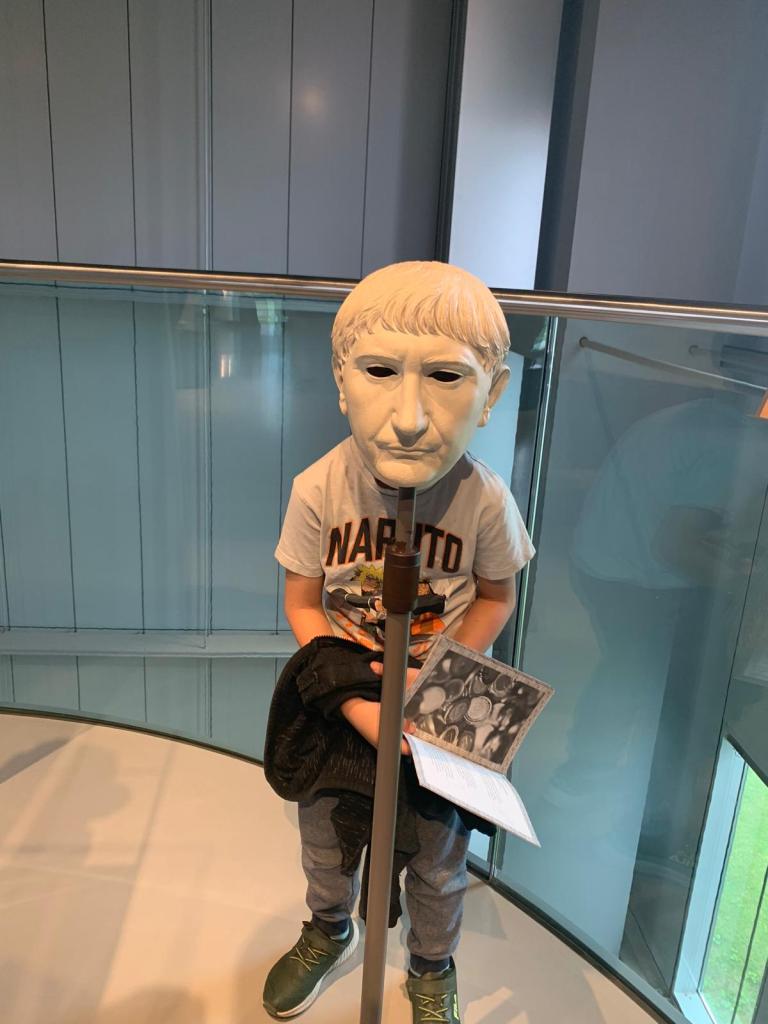
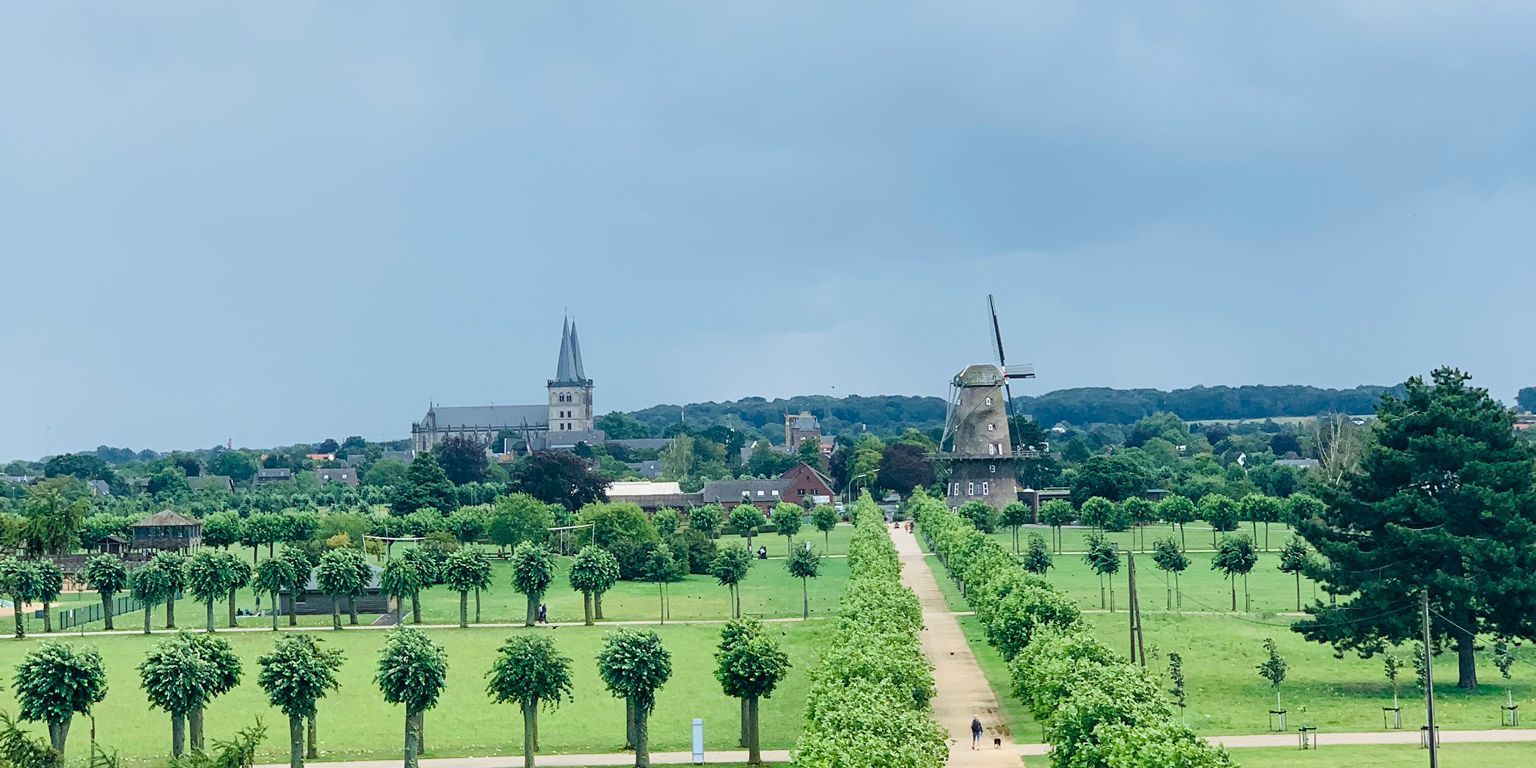
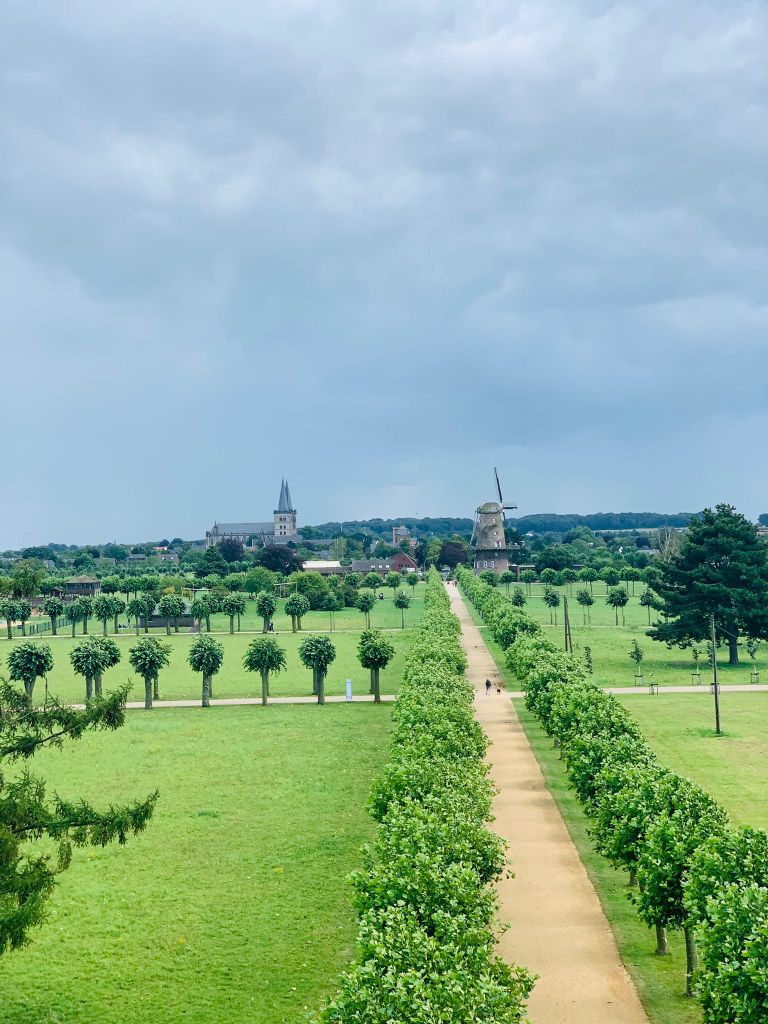
As our journey through Germany’s Roman conquest continues, we find ourselves drawn to the captivating town of Xanten, nestled on the banks of the Rhine River. Xanten is a true living museum, offering a glimpse into the ancient past and the legacy of Rome’s interactions with Germania.
Subscribe to Dive Deeper into Our Travel Chronicles!
Read more of this content when you subscribe today.
 Art of Saudade