
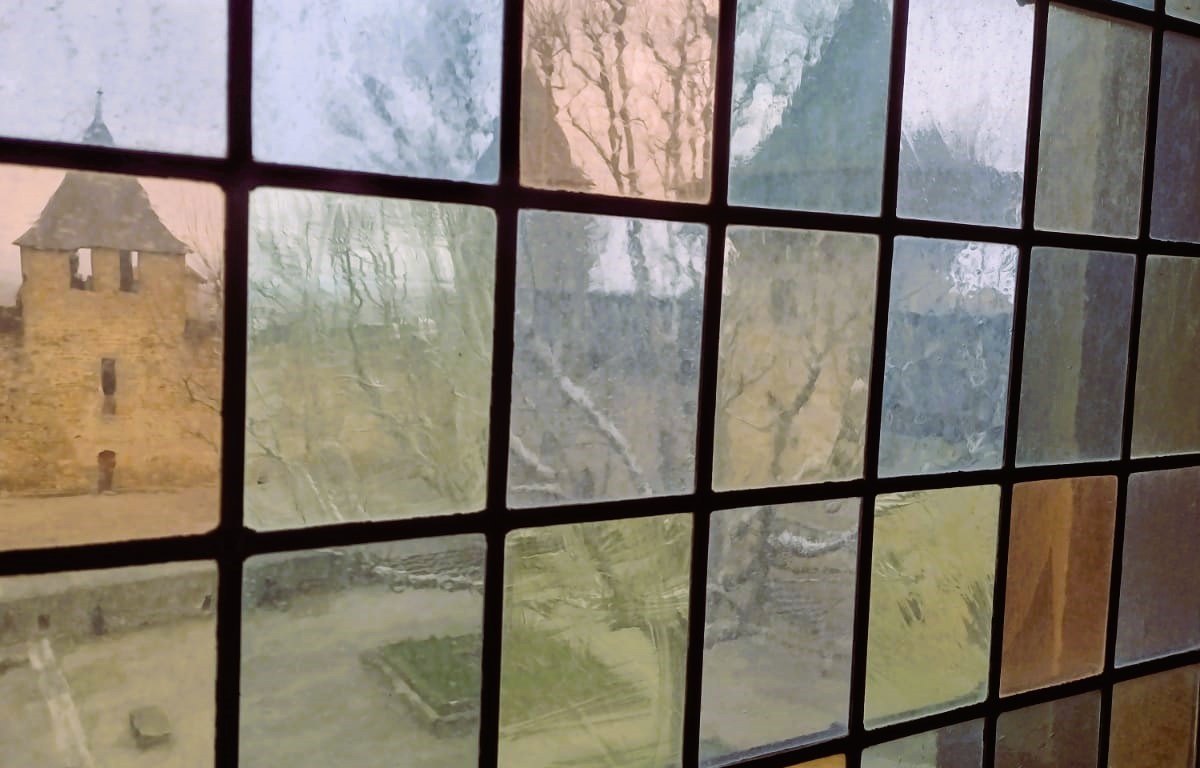
If life in the Middle Ages was rough, imagine being a speaker of a regional language in 20th century France, when the government banned the use of minority languages. For Occitan poets, the struggle to preserve their authentic language and culture only got harder.
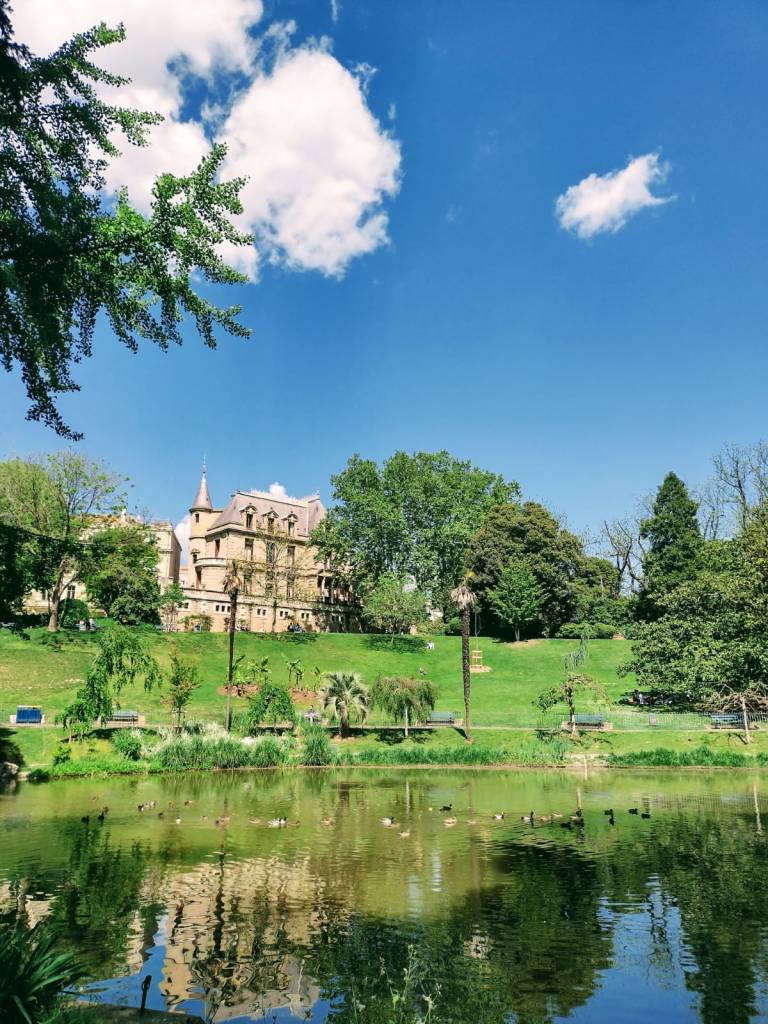
The Occitan language is a Romance language spoken in Southern France. However, it has no official status in France. In the early 1900s, the government’s repressive policies against minority languages caused a decline in the number of Occitan speakers.
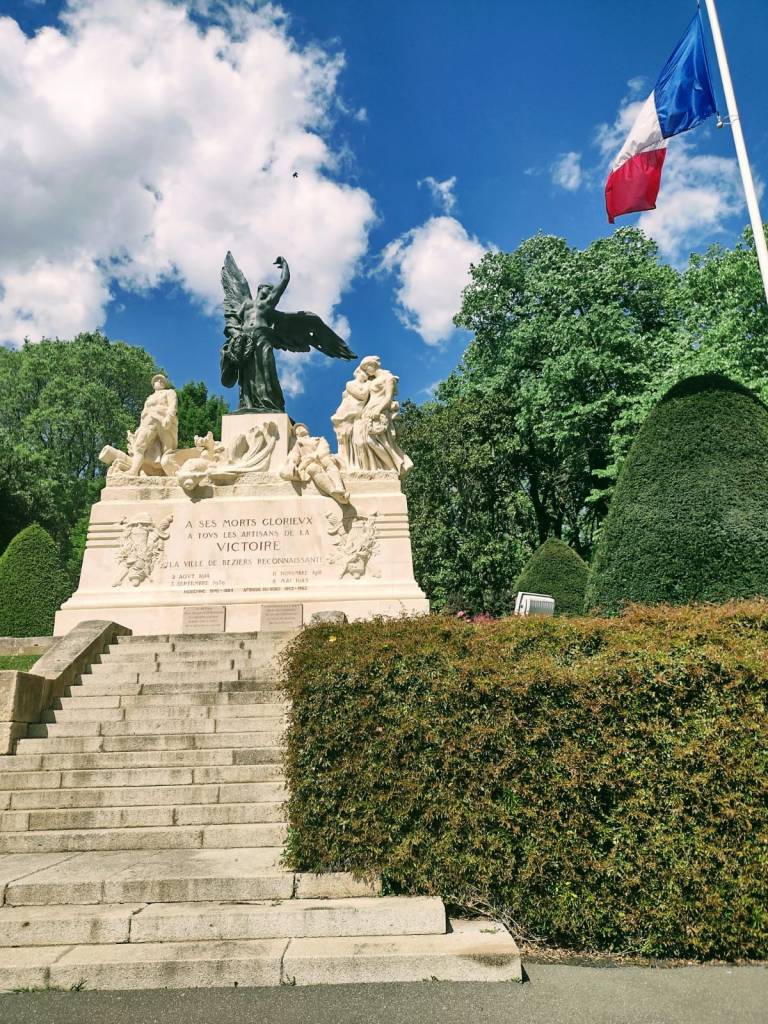
Interestingly enough, the Occitan, also known as langue d’oc, was the language of the troubadours, perhaps the first open-minded poets in Europe who dared to write parody songs.
This is what the Occitan sounds like:
Luckily, today there is a higher level of awareness about France’s linguistic and cultural diversity that needs to be protected.
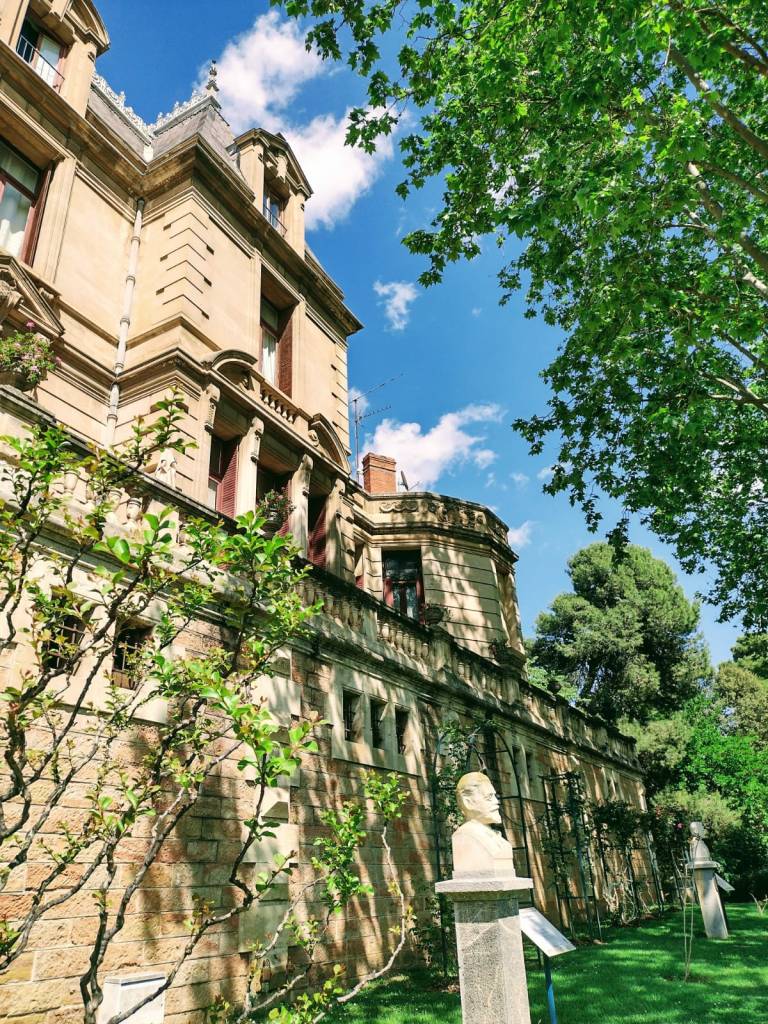
Béziers, a charming town in the south of France and the cradle of Occitan culture, has a special place that honors some of the most important Occitan poets.
The Poets’ Plateau is an English-style garden created at the end of the 19th century with numerous statues of this region’s poets.
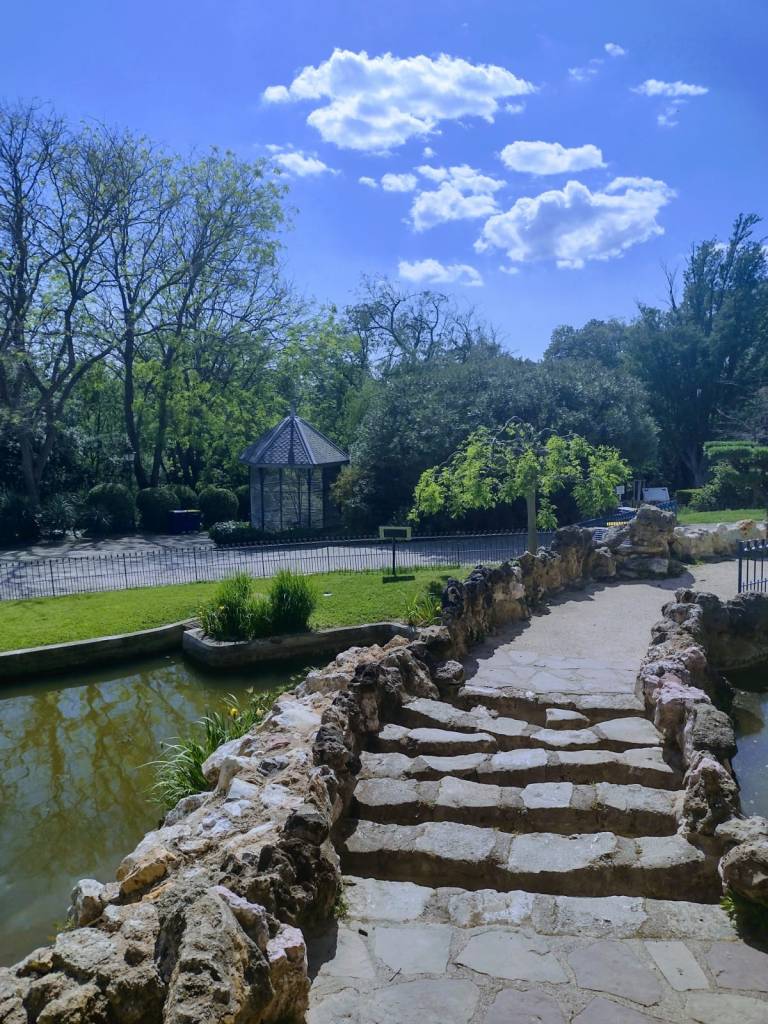
This is the place where Nature and Poetry meet. See what places you can explore in Béziers in 24 hours:
Occitan poets in the age of oppression – who were they?
There is a big number of Occitan poets who fought for their linguistic and cultural identity in the 20th century. Among them, the author of the first Occitan dictionary Gabriel Azaïs and the inspiring poet Jeanne Barthès sparked my curiosity.
Gabriel Azaïs
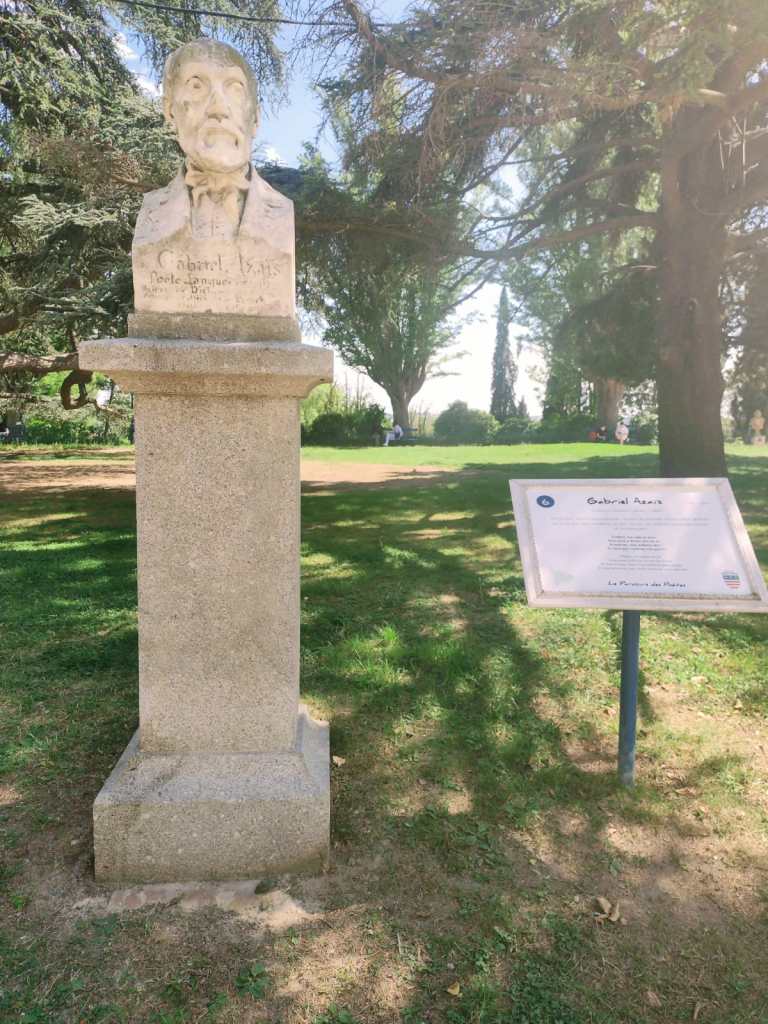
Born in Béziers, the Occitan linguist and poet Gabriel Azaïs is the author of the first modern Occitan dictionary and a collection of poems written in his native language.
Fascinated by the language of the troubadours, he published numerous academic works about local history and ancient texts.
Jeanne Barthès

Jeanne Barthès was born in the Occitanie region of France, into a family that spoke only Occitan. She devoted her entire life to writing in this language.
She also made the diffusion of Occitan literary works possible through the publication of the magazine Trencavel from 1937 to 1943.
To preserve, defend and illustrate the langue d’oc, such was the work to which Jeanne Barthès dedicated her life.
“Quand lou clar de luno davalo
Del serre al riu ount l’anhel bèu,
Quicom que dins lou journ se calo
Se derevelho al found de iéu.”
— An original poem by Jeanne Barthès in Occitan

It’s extremely hard to find a translation in English. The translation below is not official:
When the moon descends,
– Jeanne Barthès
From the hill to the stream where a lamb drinks,
Something is silent in the twilight
And wakes up inside me.
Governments can suppress a language for whatever reason and new generations may forget it, but one thing is sure – the power of poetry will make it immortal.
Liked this post?
Buy me a cookie 🍪
Make a monthly donation
Make a yearly donation
Choose an amount
Or enter a custom amount
Your contribution is appreciated.
Your contribution is appreciated.
Your contribution is appreciated.
 Art of Saudade