
Literature has traditionally been dominated by men. Try to name the first five authors that come to your mind when it comes to world literature. Most of us would think of Shakespeare, Hemingway, Hugo, Dostoevsky… It’s much harder to name at least five female authors. According to one study, over 80 percent of the 100 most popular books were written by men. This doesn’t mean that men are better writers than women or that they write more, it simply shows how the world ignored even the slightest of the efforts that women put into literature. Throughout history, women would anonymously publish their books (for obvious reasons) or they would get known by their pen names. The best examples, amongst others, are Jane Austen and the Brontë sisters.
We did not like to declare ourselves women, because—without at that time suspecting that our mode of writing and thinking was not what is called ‘feminine’—we had a vague impression that authoresses are liable to be looked on with prejudice.
Charlotte Brontë
Surprisingly (or not?), things didn’t change much in literature. Modern literature is still dominated by male writers and according to many studies, readers still prefer male authors. J.K.Rowling wrote under the name Robert Galbraith, a decision taken by her publisher in order to appeal to young male readers.
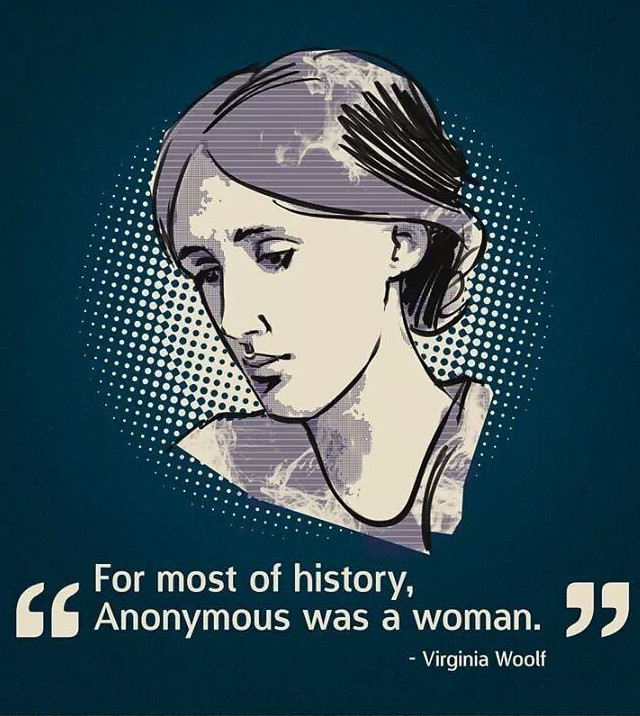
Female authors still seem to remain unknown and it’s time to change that. World literature hides precious gems produced by women which deserve to be cherished.
Here are my top 7 female authors from around the world:
1. Virginia Woolf [UK]
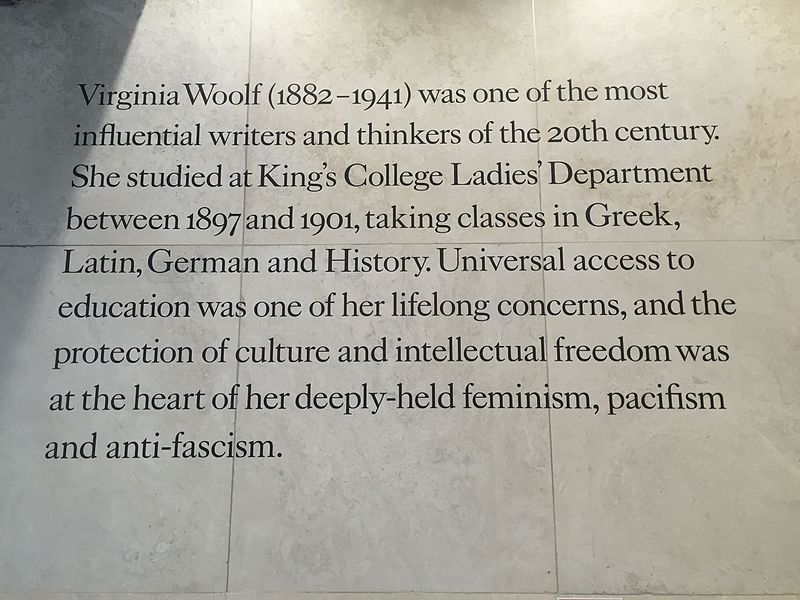
Woolf was one of the best novelists in the early 20th century. She contributed to modernist literature with her most popular works “Mrs Dalloway“, “Orlando” and “To the lighthouse“. She was one of the first authors to introduce the stream of consciousness in her narration, way before surrealists acclaimed it as their original narrative mode. Along with Proust and Joyce, she highlighted the interior monologue of her characters and included psychology as an important part of her narration. Known as extremely self-critical, her texts are well organized and every word seems to have its own purpose. The aesthetics of her works is one of the things that certainly made her a brilliant author. Besides all the controversies connected to her personality (which have been proven to be false), her books remain one of the most influential modern literary works.
2. George Sand [France]
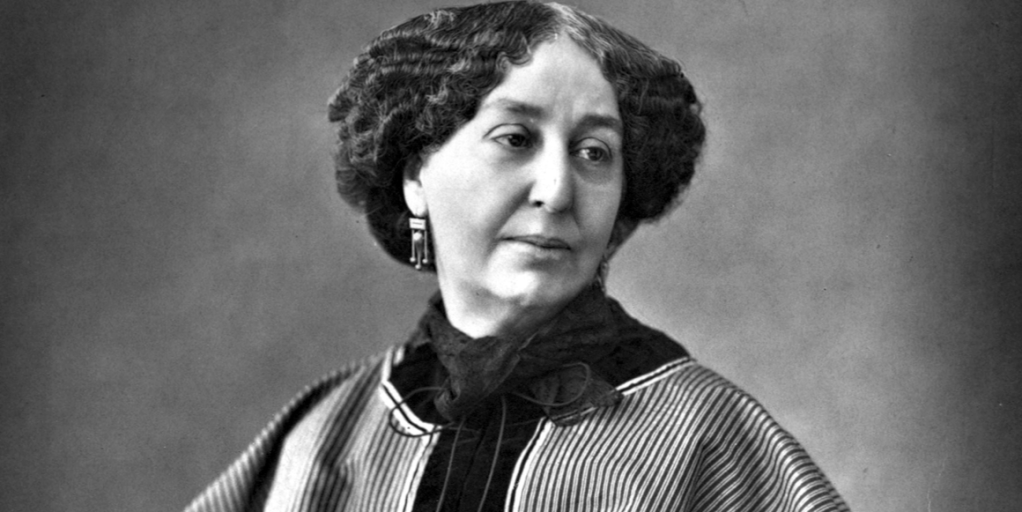
Amantine Lucile Aurore Dupin was a true revolutionary. Her name may not sound familiar because she published all of her works under her pen name George Sand. Her audacity to wear pants in the middle of the 19th century (yes, it was forbidden for women!), makes her one of the first real influential feminists. She was also one of the few women to smoke tobacco in public, which was considered an unusual behavior at that time. She was known for her open relationships with Alfred de Musset and Chopin and was their muse, an inspiration for many of their works. Most known for her book “La petite Fadette” (1849), she inspired the 19th century realists with the inclusion of details and social critique. Her controversial personality and political views inspired world-renowned authors such as Dostoevsky and Proust. In Woolf’s essay “A Room of One’s Own”, alongside with George Eliot and Charlotte Brontë, she is referred to as one of those “victims of inner strife as their writings prove, sought ineffectively to veil themselves by using the name of a man”.
3. Clarice Lispector [Brazil]
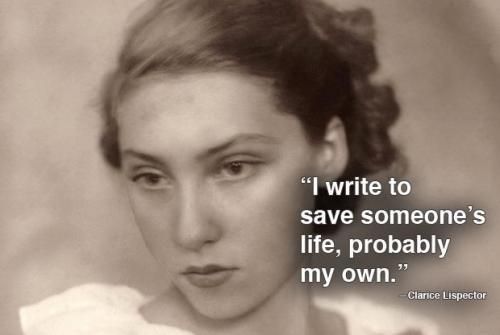
Brazilian novelist born into a Jewish family in Ukraine, she represents Brazil’s well known diversity. She has contributed to Brazilian modern literature, introducing the interior monologue in her works. Her first book “Near to the Wild Heart” (Perto do Coração Selvagem) brought her fame at the age of 23. The Brazilian literary critic Lêdo Ivo called it “the greatest novel a woman has ever written in Portuguese”. She is also known for her short stories “Family ties” (Laços de família) and for being politically active during the demonstrations against Brazil’s military dictatorship. Her novel “The Hour of the Star” (A hora da estrela) has been turned into a movie. She is one of the most quoted contemporary authors in Brazil.
4. Anita Desai [India]
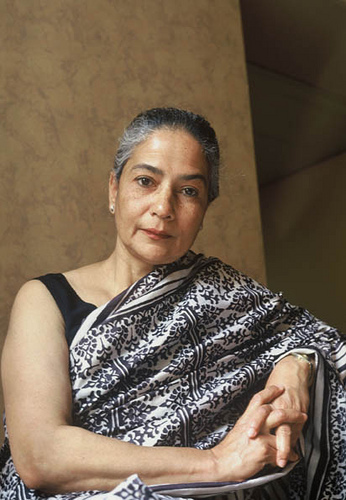
Born to a German mother and a Bengali father, Anita Desai is one of the best authors in Indian modern literature. She was raised multilingual, speaking Hindi, Bengali, Urdu, German and English, which was her literary language. She began to write in English at the age of seven and a few years later managed to publish her first story. Her first novel “Cry, the Peacock” (1963) describes the oppression of Indian women in her time, a subject that she comes back to in her later novel “Where Shall We Go This Summer?” (1975). “Clear Light of Day” (1980) is her most autobiographical novel that brought her three Booker Prize nominations. The story’s primary theme is the importance of family and the status of women in modern India. She wrote several children’s books and won the Guardian Children’s Fiction Prize for her novel “The Village by the Sea” (1982). The cultural elements in Desai’s works bring her motherland close to the readers and make them feel it like home. The children in her books are the children we all once were, joyful and careless, running tirelessly in our playground called India.
5. Elif Shafak [Turkey]
Besides being a bestselling fiction author, Elif Shafak is a political and women’s rights activist, openly fighting for minority rights and freedom of speech. She has given a few Ted talks and takes an active part in the media.
If you’ve already been to Istanbul, you’ll feel nostalgia reading Shafak’s books. If you still haven’t, you’ll immediately plan your next trip there. The city where the East and the West are crossed is depicted as “an old woman with a young heart who is eternally hungry for new stories and new loves”.
East and West is no water and oil. They do mix. And in a city like Istanbul they mix intensely, incessantly, amazingly.
Elif Shafak for Time Magazine
You’ll find Istanbul’s diversity in “The Architect’s Apprentice”, “The Bastard of Istanbul”, “Three daughters of Eve”, books that brought her recognition and several literary awards.
In her novel “The Forty Rules of Love“, Shafak tells the story of the Persian poet Rumi and his companion Shams, their spiritual adventures and their Sufi love, a book that can be found on BBC News’ list of the 100 most influential novels. Her works contain ideas on mysticism, history, politics and fiction, which make her one of the greatest contemporary authors.
6. Buchi Emecheta [Nigeria]
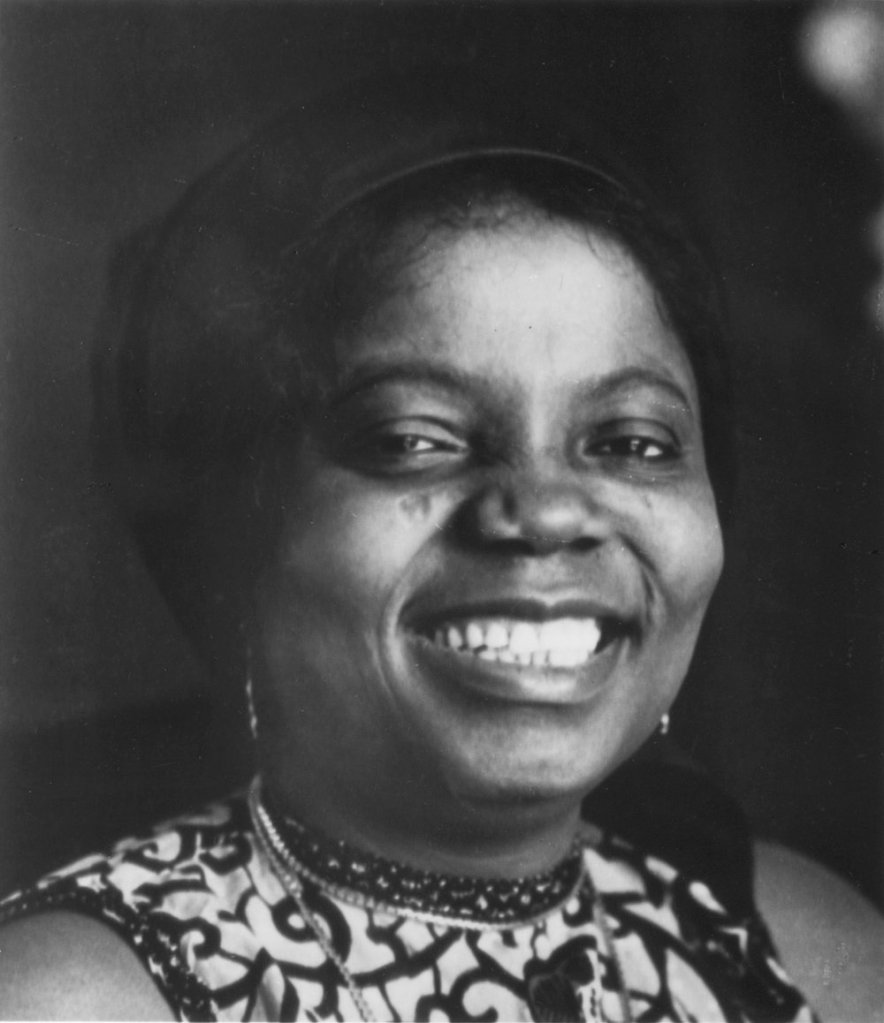
As a Nigerian author based in the UK, Buchi Emecheta explores universal questions such as poverty and oppression, historical perspective of child slavery and motherhood, as well as female independence and freedom. Her fiction is mostly based on racial prejudice and discrimination, influenced by her own experience as an African woman and a single mother living in the United Kingdom. Being raised in a conservative society made it difficult for her to pursue her education as a girl, which forced her to be self-taught. She fought for her rights throughout her life.
Her 1977 novel “The slave girl” gives her recognition and fame, winning the Jock Campbell Award. The story is set in Nigeria in the early 20th century and it mixes themes such as history, freedom and feminism. “Kehinde“, a book that depicts a Nigerian woman living in London, is a work filled with cultural and autobiographical elements. Over the years, Emecheta travelled as a visiting professor to the USA, the UK and Nigeria. Her works make us discover parts of African history, Nigerian culture and traditions, and reflect on some of the most common world problems.
7. Fumiko Enchi [Japan]
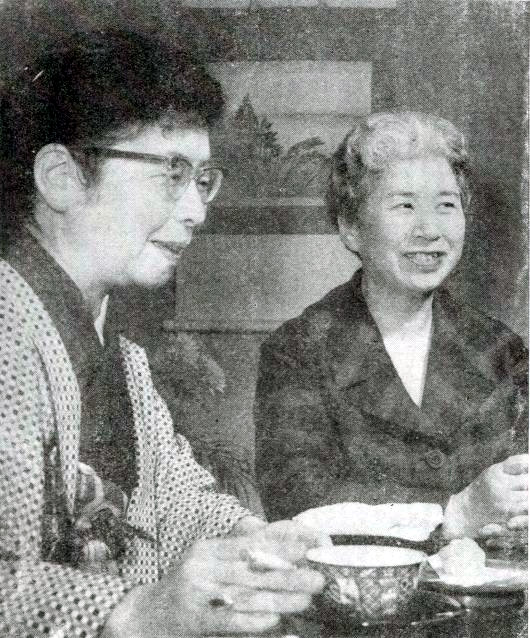
A prominent Japanese writer, Fumiko Enchi started her literary career in 1926 in the literary journal Kabuki. As a daughter of a linguist, she learned Japanese, Chinese, English and French, but has mostly focused on Japanese culture and literature. She is best known for her novel “Masks” (1958), inspired by Japanese dramas and depicting scenes of revenge, manipulation and power.
She explores female psychology and Japanese lifestyle, as well as the theme of spirituality and women’s role in Buddhism and the indigenous Japanese religion Shinto. Her stories are authentic representations of ordinary life scenes and combine tradition and modernity, culture and spirituality, society and psychology. As an award-winning author, Fumiko Enchi is certainly one of the most outstanding Japanese authors of all time.
 Art of Saudade
Nice article. The problem of femele writer is that most of them are buried whitin history. They still have beautiful novels.
LikeLiked by 1 person