
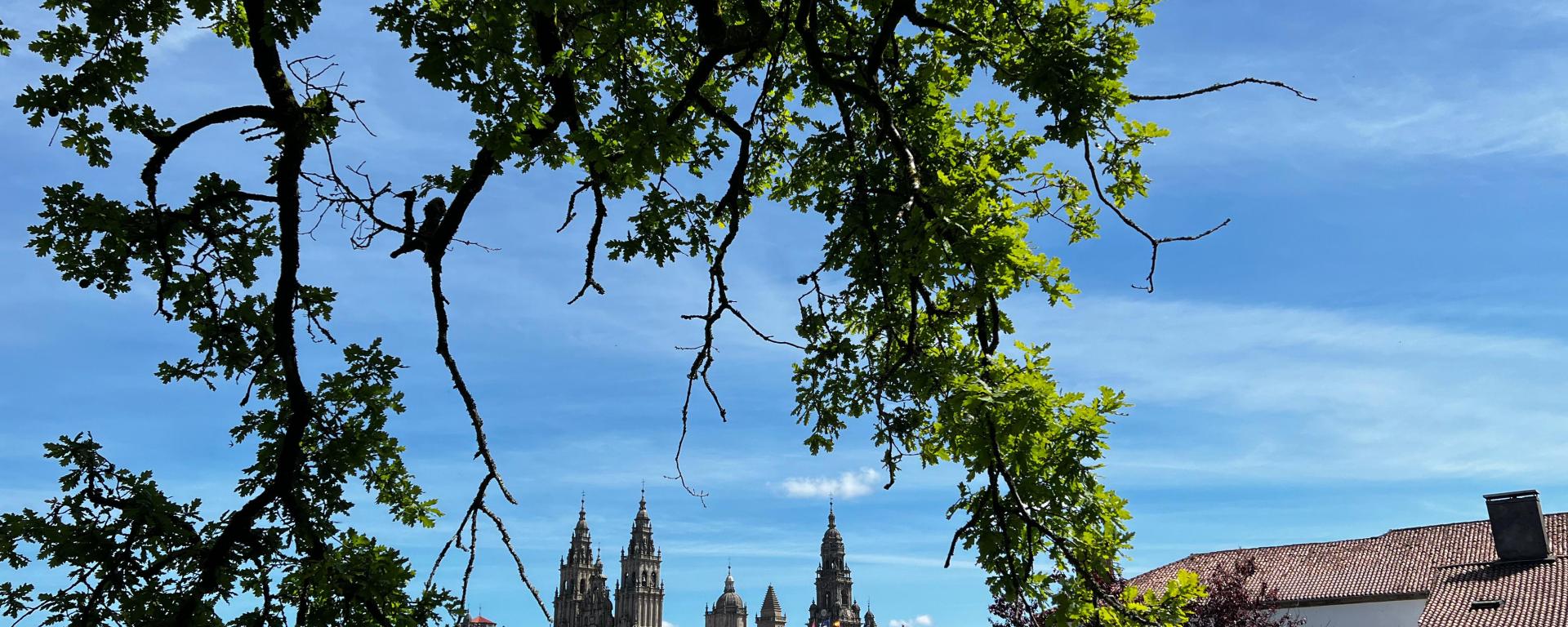
As an observer of the countless travelers who embark on the Camino de Santiago, I’ve been captivated by the ambition and energy that drives people to undertake this remarkable journey. Though I haven’t walked the Camino myself, I’ve seen enough to appreciate its allure and significance. If you decide to embark on this pilgrimage, ensure you have ample time and a well-thought-out plan. But what is the Camino de Santiago, really?

A Pilgrimage Rooted in History
The Camino de Santiago, or the Way of Saint James, has its origins as a Catholic pilgrimage. Pilgrims walk to the shrine of the apostle Saint James the Great in the Cathedral of Santiago de Compostela, where tradition holds that the remains of the saint are buried. The pilgrimage has been one of the most important Christian pilgrimages since medieval times, alongside those to Jerusalem and Rome.

One of the fascinating aspects of the Camino is that it can start from anywhere. Popular starting points include Porto in Portugal, Lyon in France, and even locations in Germany. Whether you begin your journey from a nearby city or across the continent, the essential experience remains the same: walking or cycling towards Santiago de Compostela. While many pilgrims choose to walk, cycling is also a popular option.

The Camino is a well-traced route with numerous places to stay and rest, including albergues (hostels), hotels, and even monasteries. Interestingly, not everyone who walks the Camino does so for religious reasons. Many are drawn by the spirit of adventure, the physical challenge, and the opportunity to explore their own limits and strengths.
Pilgrims often embark on the journey alone but meet and form connections with fellow travelers along the way. It’s a unique social experience—much like a life story unfolding on the road.

Although I haven’t walked the Camino, I visited Santiago de Compostela en route to Vigo, Spain, in Galicia. What I encountered was nothing short of extraordinary. The city is steeped in history—everything from the walls to the streets exudes an ancient charm. Yet, there’s a modern vibrancy that makes the city feel alive and relevant today.

Santiago’s old-world charm blends seamlessly with contemporary amenities, including an airport. The city is a melting pot of tourists from all corners of the globe, yet retains its distinctive Spanish and Galician essence.
I noticed a sign celebrating the Galician language, Gallego, adding a local cultural touch to the cosmopolitan atmosphere.


Being near the coast, Santiago offers a unique culinary experience. The food is an unforgettable highlight, featuring fresh seafood and traditional dishes that tantalize the taste buds.


A Destination Worth Every Effort
Regardless of how you choose to reach Santiago—whether walking, cycling, swimming, or flying—the experience is worth every effort. The Camino de Santiago is more than just a path, it’s a journey that embodies adventure, self-discovery, and cultural immersion. I hope that one day the Camino will lead you to Santiago, and perhaps, I too will fulfill my dream of walking this historic path.

Subscribe to our adventures and be the first to receive each new tale as it unfolds… 📖
If you’ve found value in my posts and would like to express your support, you can symbolically share a virtual cup of coffee with me. ❤️
Buy me a coffee ☕
Make a monthly donation
Make a yearly donation
Choose an amount
Or enter a custom amount
Your contribution is appreciated.
Your contribution is appreciated.
Your contribution is appreciated.
 Art of Saudade
2 thoughts on “Discover Santiago de Compostela: Walking as a Journey of Ambition, History, and Personal Discovery | Art of Saudade”