
More than one century ago, Slovenes, Croats, Serbs, Bosnians, Montenegrins, and Macedonians realized that there was more that united them than divided them. South Slavs (or “Yugoslavs”) speak similar languages, have more or less the same mentality, customs, and traditions, and have had pretty much the same vibrant fusion of cultures throughout the years.
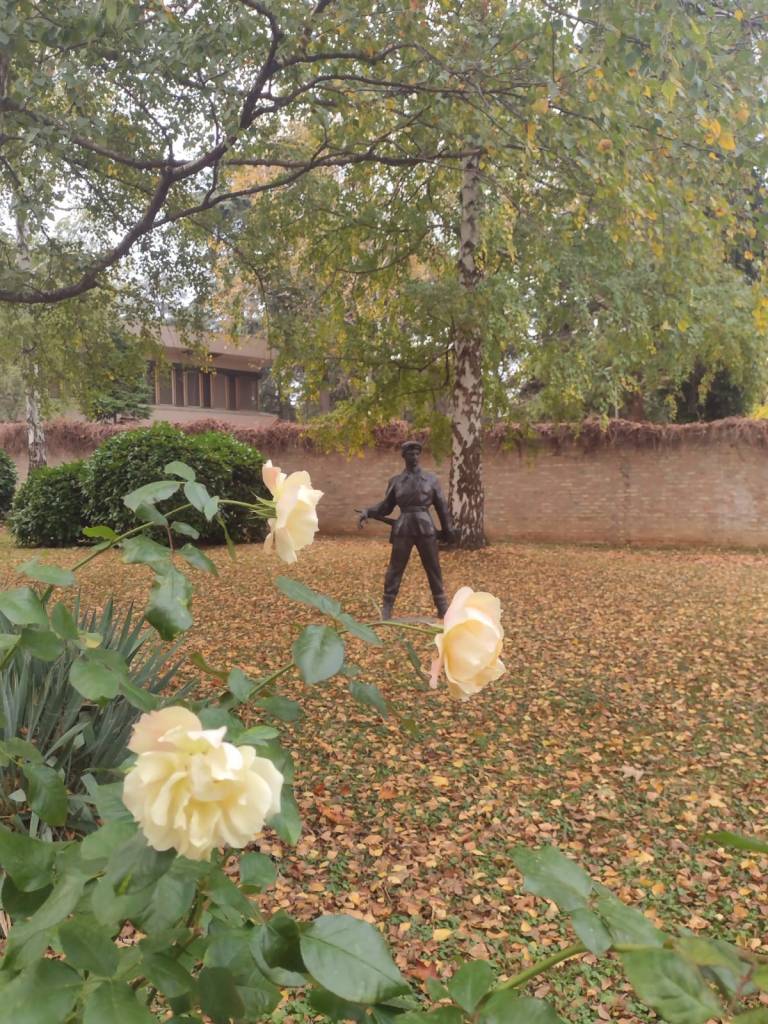
At the end of World War I and after five centuries of Ottoman rule, these people finally grasped freedom. The idea that together we are stronger finally led to the creation of Yugoslavia, a country promising brotherhood and unity. And this, my friend, is still a better love story than Twilight.
Not that easy…
But Andri, wasn’t Yugoslavia a dictatorship? a friend asks. If you ask my 80-year-old Macedonian baba, she will tell you that it was the best time of her life. Those were the times of peace, love, and unity, according to most of the people her age. Is this just another example of Saudade, a yearning for youth, or did the whole romantic idea of brotherhood and unity actually work?

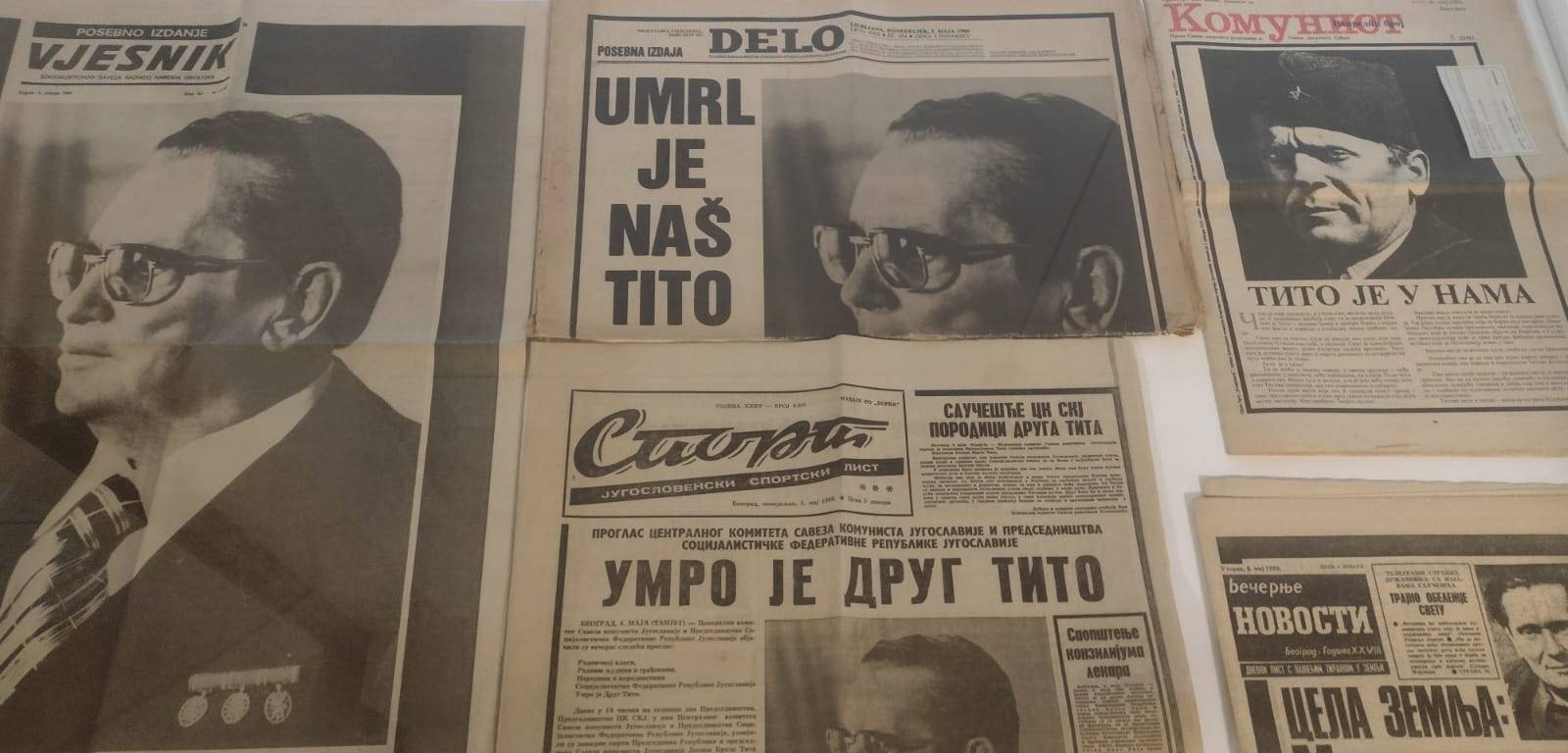
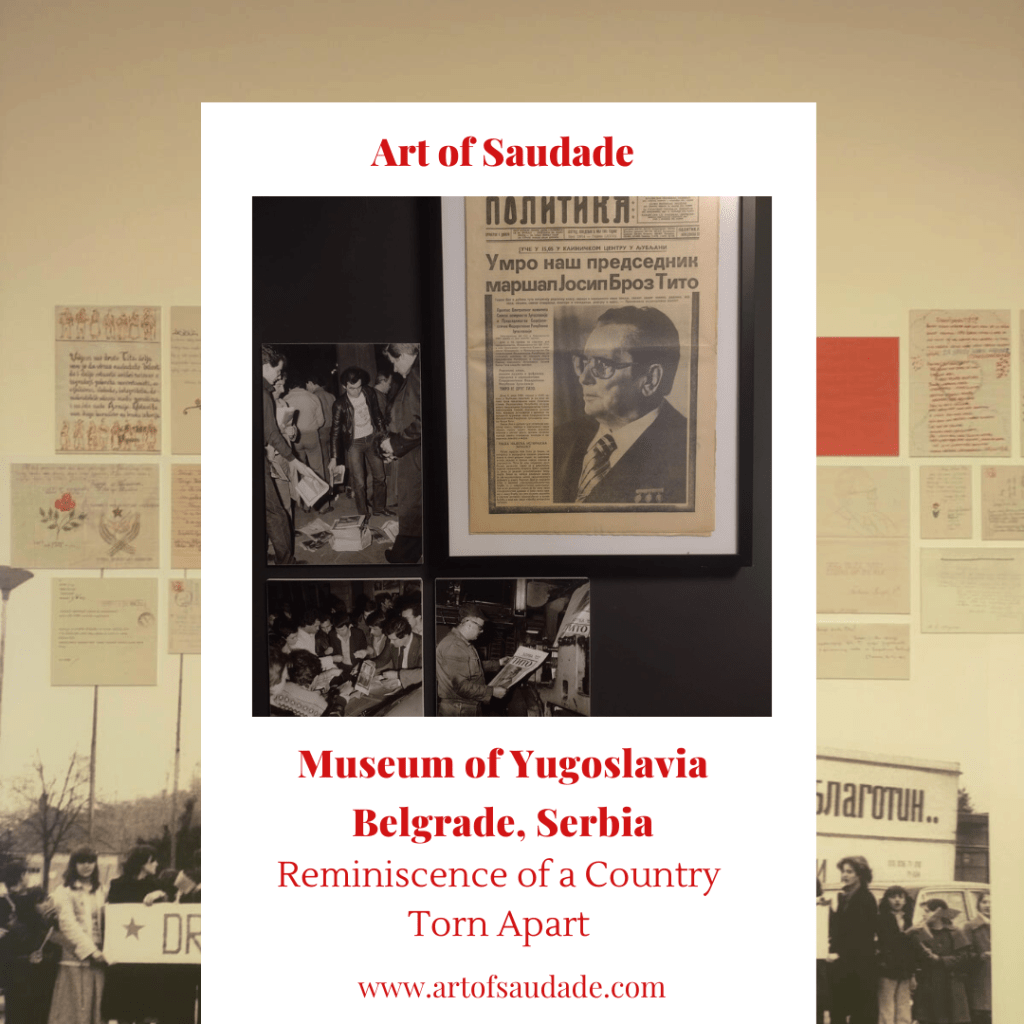
If you want to get a clearer idea about Yugoslavia, the Museum of Yugoslavia offers you hundreds of archives that chronicle historical and cultural events and objects from the 20th century.
See what else you can do in Belgrade, Serbia:

Josip Broz Tito was proclaimed ‘president for life’ of the Federal People’s Republic of Yugoslavia. Does this make the country totalitarian?

Well, people absolutely cherished this charming person and when he died, they cried as if they had lost a loved one. “We cried because we truly lost a great president, but also because we knew it was over”, my grandma would tell me. It just didn’t work out without him. Ten years after his death, a series of conflicts arose and Yugoslavia collapsed.
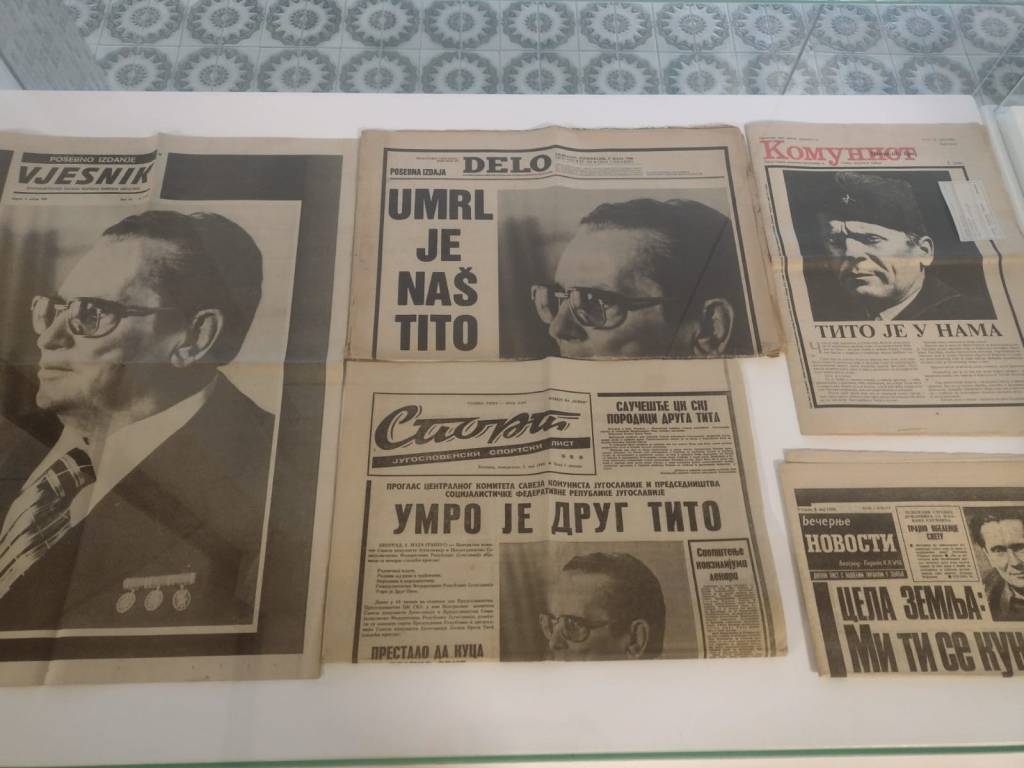
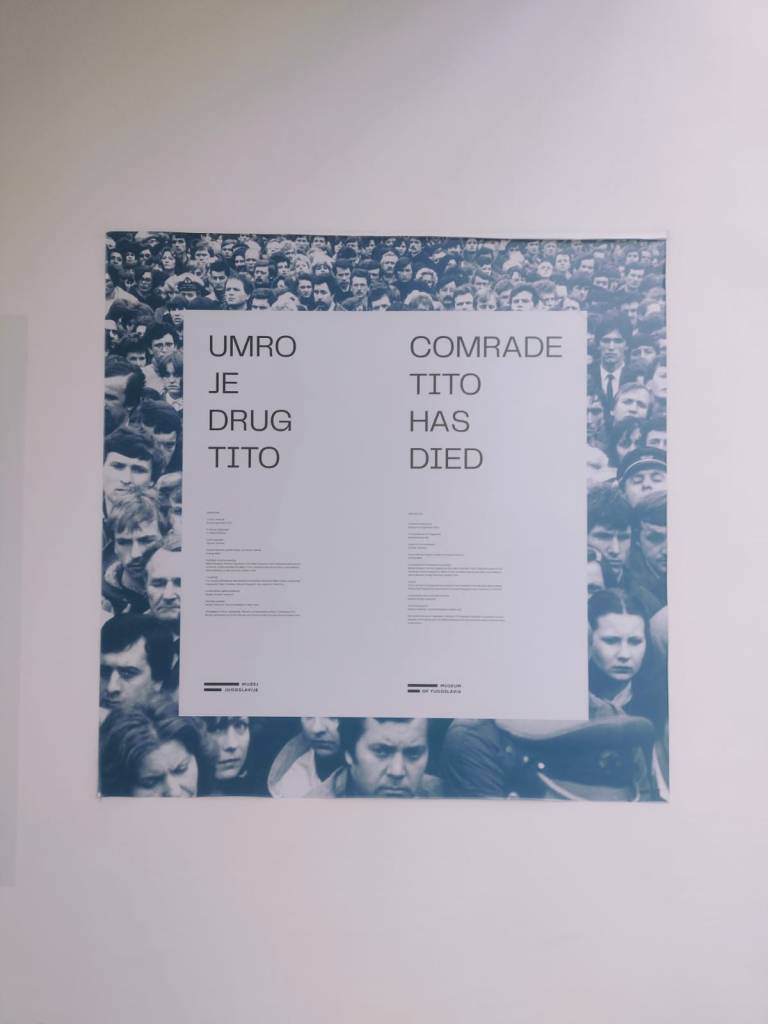

The breakup of Yugoslavia left many people brokenhearted, yet all of them were looking forward to the new chapter of their independent country’s history. I am not a historian or an international relations specialist. All I know is that I trust old people’s genuine feelings and when they say they were happy, I truly believe they were.
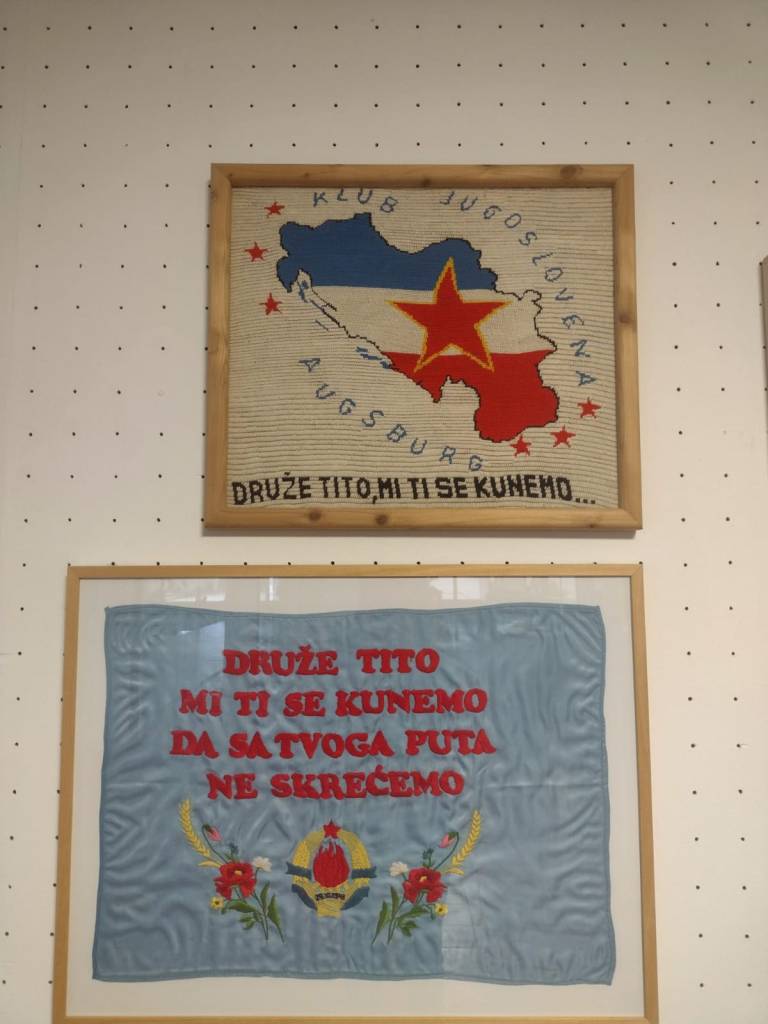
What can the story of Yugoslavia teach us?
Bad news: nothing lasts forever. Good news: nothing lasts forever.
Read that again.
Did you like this post?
Subscribe to receive new posts!
Want to support the blog?
Buy me a coffee ☕
Make a monthly donation
Make a yearly donation
Choose an amount
Or enter a custom amount
Your contribution is appreciated.
Your contribution is appreciated.
Your contribution is appreciated.
 Art of Saudade
One thought on “Museum of Yugoslavia in Belgrade | Reminiscence of a Country Torn Apart | Art of Saudade”